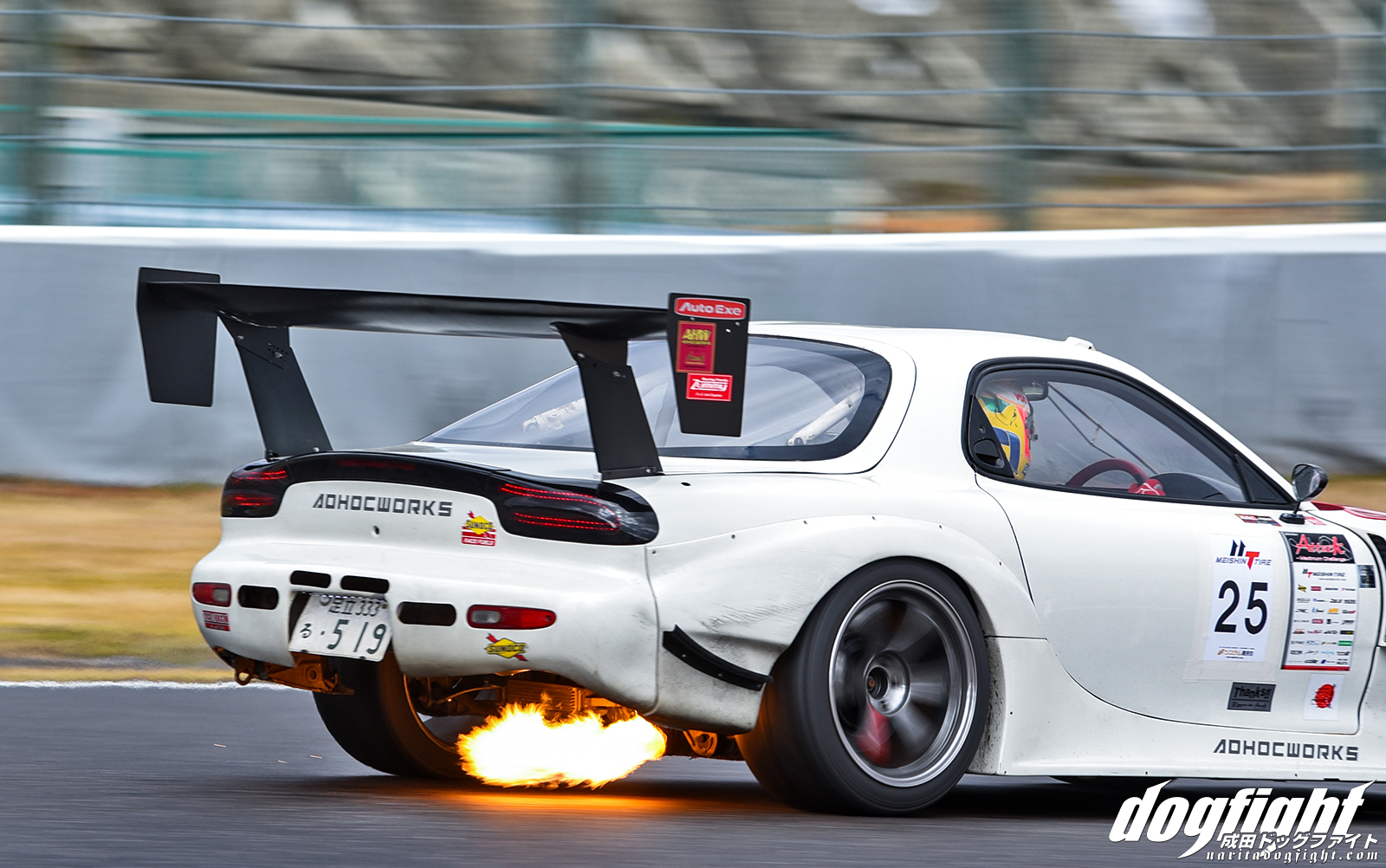
One of my favorite things to do on my down time is research time attack builds in Japan. It’s akin to that of a treasure hunt for me. I enjoy the prospect of being among the first to find out about certain aspects of the build, and to both share it through the website and take inspiration from them for my own builds. There is still a large gap between the publicization of builds in Japan versus that of builds in Western countries, and because of this, information can be very difficult to come across sometimes. I think that’s what makes it interesting for me though; and this same theme plays true in other aspects of life as well. The harder you work towards something, the more satisfaction it brings you.
I would say that, between my various works, I leave myself with less free time than a lot of people; which means I have to make my research count. One of the things I do at events that ensures I have access to information when I’m back in the US is to touch base with all the drivers at least once. I introduce myself, and try to establish a point of contact for the future. Time Attack events can be hectic for the drivers, not to mention expensive, and they don’t really have the time to stop what they’re doing to try and understand my broken Japanese. It’s easier for both parties to get in touch at a later time. Unfortunately, that best case scenario doesn’t always play out, and I spend my breaks at work scouring Minkara, Ameblo blogs and rudimentary shop websites for information on customer and demo cars.
I’ve watched Matayoshi drive several times at different courses, but each time I always missed the opportunity to talk to him. The simple rawness of his build, and the instinctual way he piloted the course made me an instant fan, but despite spending hours searching for information online, details had remained elusive to me. I had all but given up last year on finding out details of the build, but when I saw that he was going to be at Suzuka this season my spirit was renewed. I reached out to Matayoshi recently last week to learn more about his car and driving style.

For the Suzuka Attack event, Matayoshi threw the car on a flatbed and made the trip all the way from Kawasaki to compete. The car is street registered, but let’s be honest; who wants to make that long of a drive in a car like this? He mentioned that he prefers to race at circuits like Suzuka and Motegi, as their international status puts them in a much higher category as far as the niceness of facilities and track condition. Having personally driven tracks like Motegi and Mobara, I couldn’t agree more; although I feel like every track has it’s own positive attributes and charm.

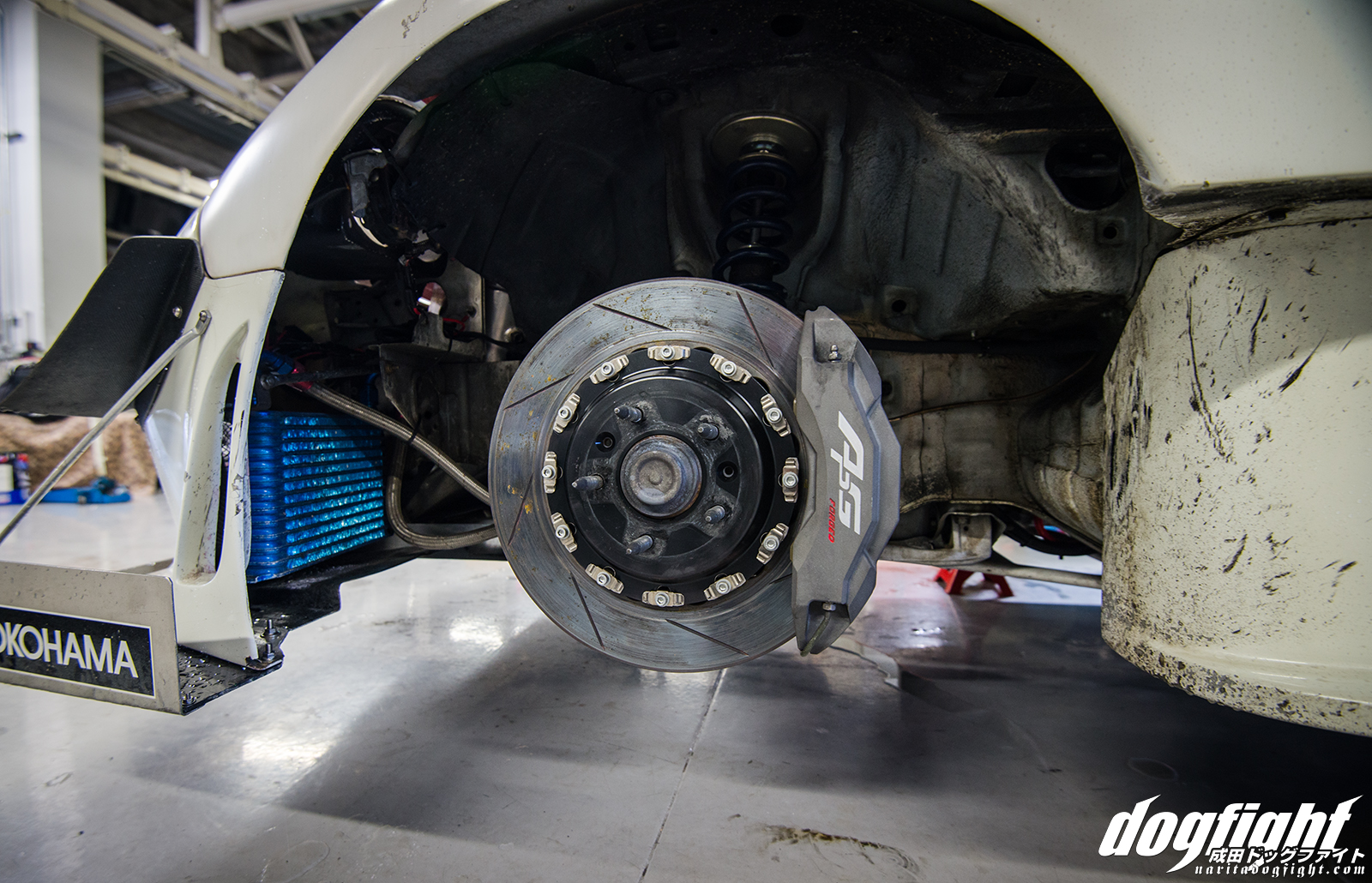
Element Sports dampers paired with HyperCo springs, the go-to combo for TFR builds, handle the tracks varying terrain.


An HKS 6-speed sequential transmission gets the whole recipe to the asphalt with the help of a Mazda Speed differential. A beefy set of Advan A050’s in a 295/35/18 configuration at all four corners keep the power in check on track.


The only other person as excited as I was to watch Matayoshi take on Suzuka was probably Matayoshi himself. A quick jog through the pit lane and he was out on the first of his hot laps.
I didn’t expect much initially from the competitors because the track was wet and still very, very cold. That didn’t stop the duo from giving their all as soon as a dry line was visible.