
Time attack cars in Japan have an aura around them that is rare to find anywhere else. The builds here have a distinct character to them, which, at its core, is generated from a lack of ego. Japan rejects the individualism that is so prevalent in the west and instead allows their loudest achievements to often go undiscovered, woven humbly into the tapestry of the community. Personal accomplishment takes precedence over publicity. Time spent clout chasing and attention seeking is, by contrast, channeled into a pursuit of mastery and excellence that finds expression in unmatched dedication. Parts aren’t chosen because of how much social credit they’ll bring but for a genuine need for improvement or personal aesthetic. Above all, the cars are used for what they were built for. It’s why a 30 year old car with flawed panels, rock chips, and rusted fasteners looks cooler than a brand new catalog car. I say all of this in a general sense – of course there will always be exceptions on both sides. The unseen component lies in intention.
I love these types of builds, and it’s why I went all the way to Kobe to meet up with Shinji Wada to get a closer look at his Pit Road M supported FD3S build. Accompanied by his friends, Shinji drives the Naruto Skyline almost weekly, Tokushima’s local mountain pass that hugs the coastline (there is actually a mod in Asseto Corso that lets you drive this), and during time attack season frequents Central Circuit. The FD has been setup specifically for his local driving and retains many aspects of a street car at first look. But spend more than a few minutes with the car and there is no mistaking it, Shinji built this car to be driven, and to be driven hard. To date, Shinji has achieved a best lap time of 1’21 at Central Circuit, putting him squarely in the upper tier of drivers in the Hyogo area. For comparison, the Pit Road built M7SL FD holds the rotary course record with a 1’16.5.
We had attempted to meet up earlier in the year when I was at Pit Road M, but conflicts in our scheduling didn’t allow it. When I mentioned that would be in Osaka again in November, Shinji told me that the car was at Pit Road getting the engine rebuilt. Luckily, Pit Road was able to expedite the rebuild and have the car ready to go for my arrival. If you’d like, you can also check out the video walkaround of Shinji’s car in addition to the gallery below.
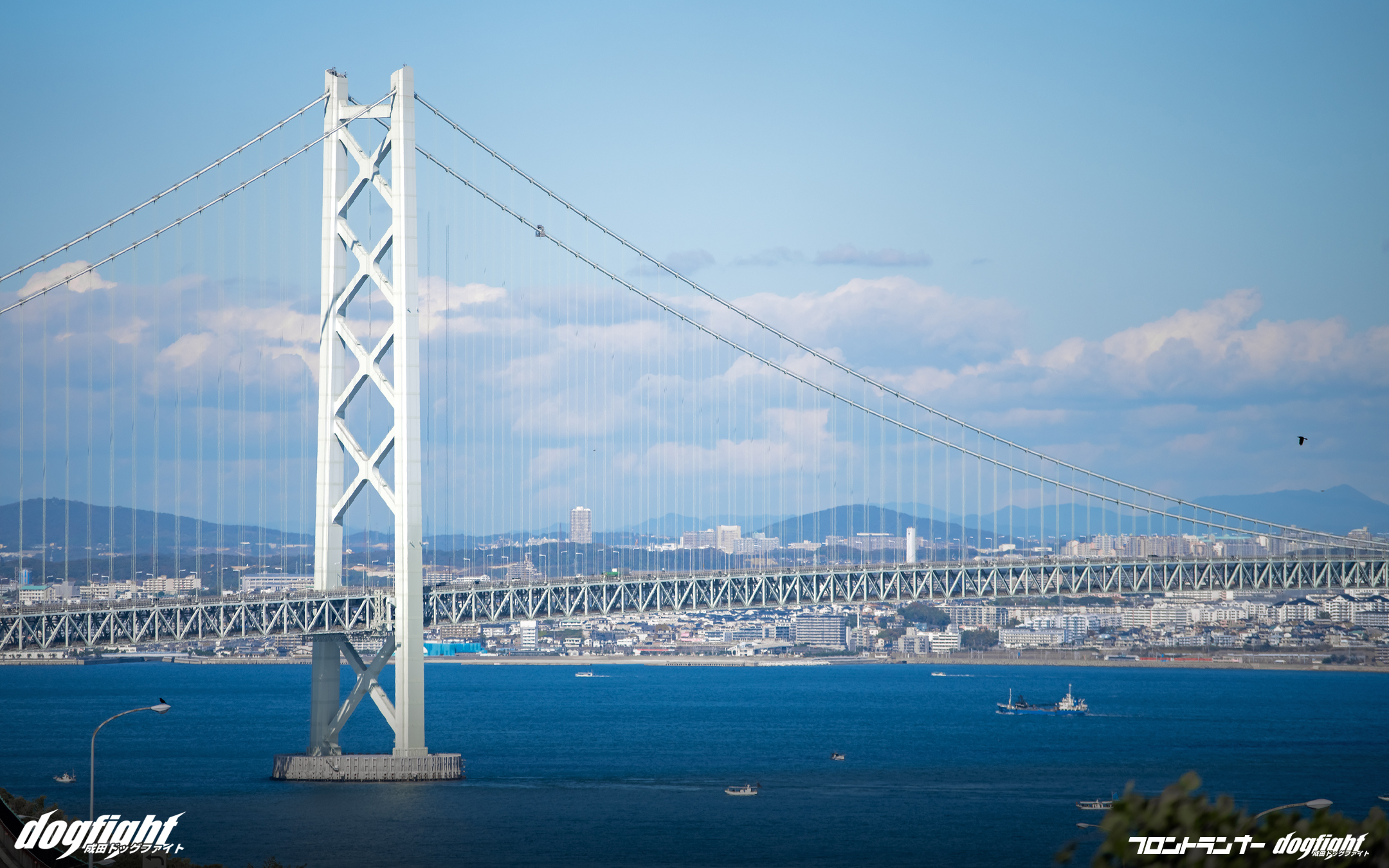
We decided that the parking area on Awaji Island, just after crossing the bridge, would be a great spot to photograph the car. So Shinji had a friend trailer the car to the PA, and picked me up at a local train station after I had arrived in the Kobe area. With this being my first time to Awaji, I wasn’t sure what to expect, but we ended up having almost the entire PA to ourselves along with some great weather.
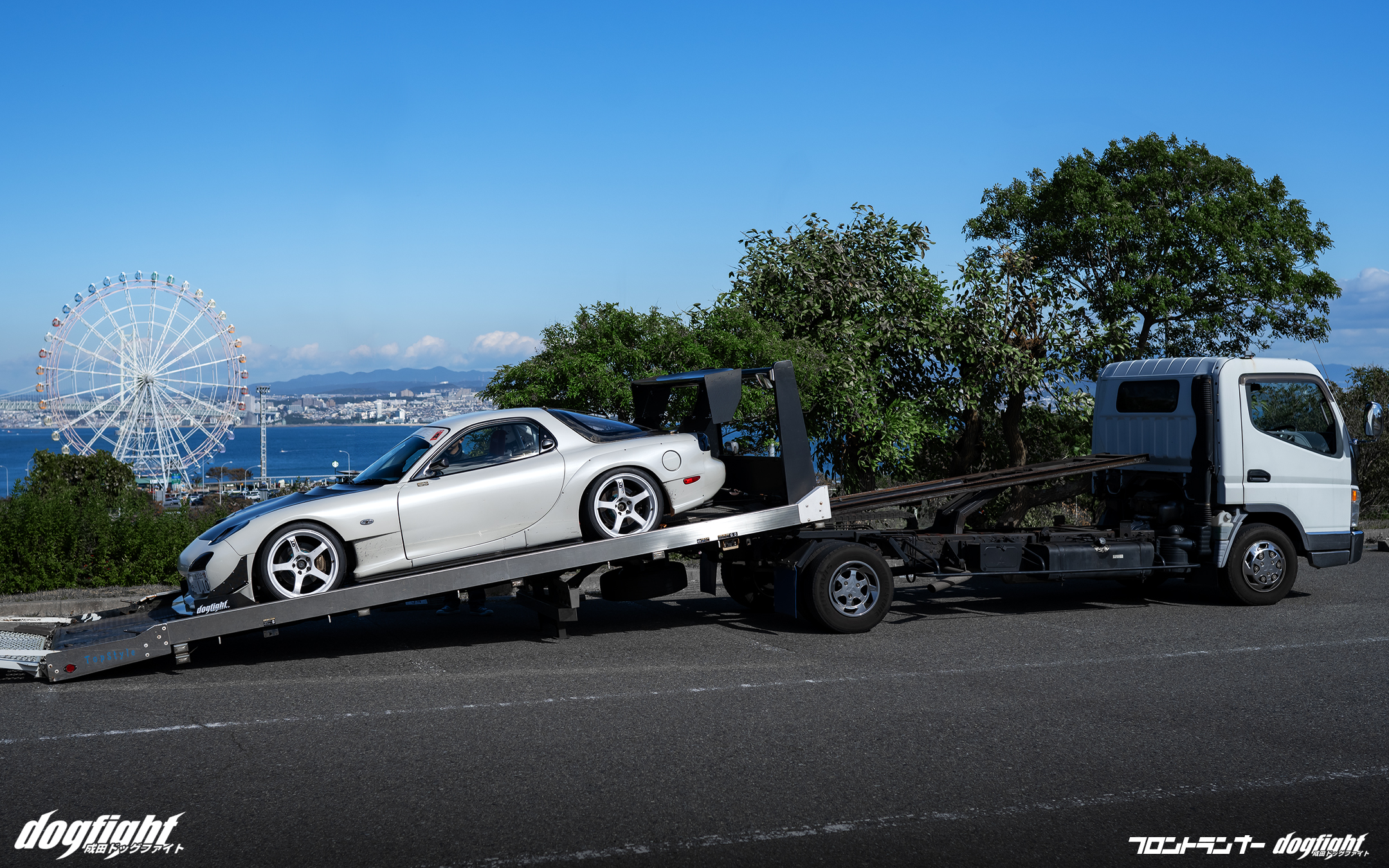
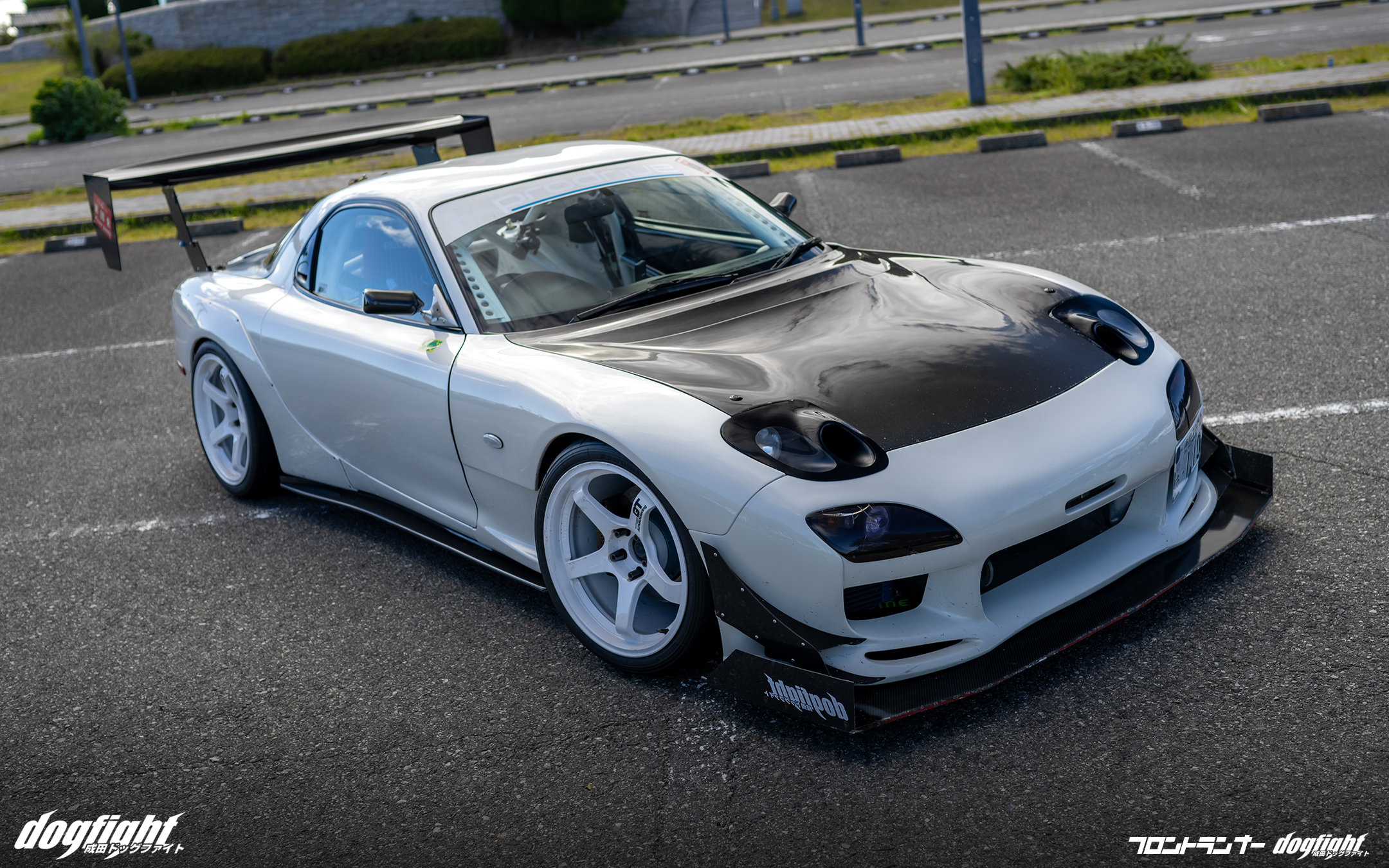
As Shinji offloaded the FD, I took some time to check out the understated body lines of the FEED aero. I’ve always enjoyed how well the Afflux aero blends with the OE lines of the car, providing an additional +25mm of space (plenty to run a 295 series tire), while not detracting from the original shape of the RX7.

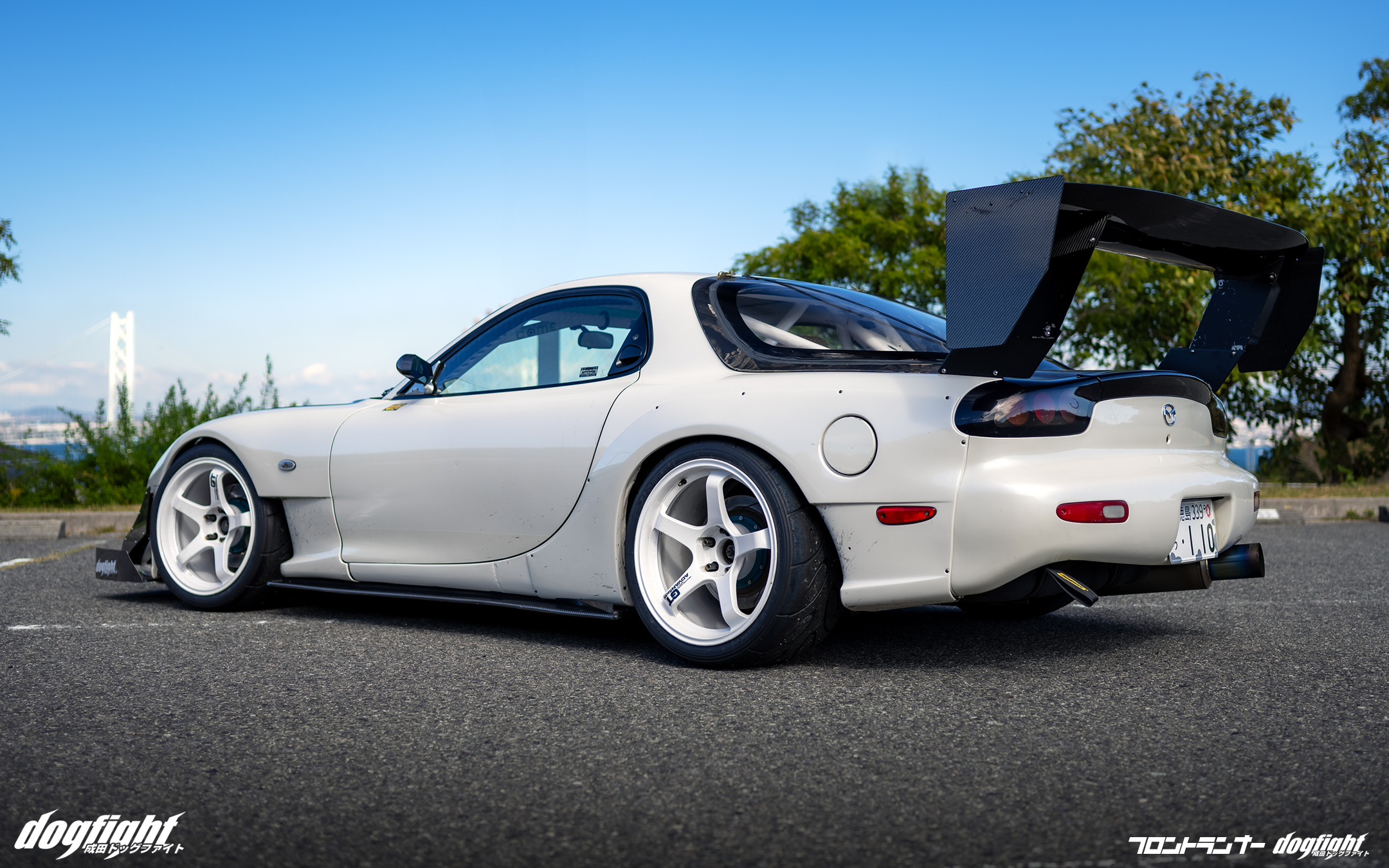
An Esprit GT wing is held in place with the use of custom aluminum risers attached to the rear hatch; foregoing the use of a chassis mount and retaining the ability to use the rear hatch and quick removal of the GT wing if necessary.

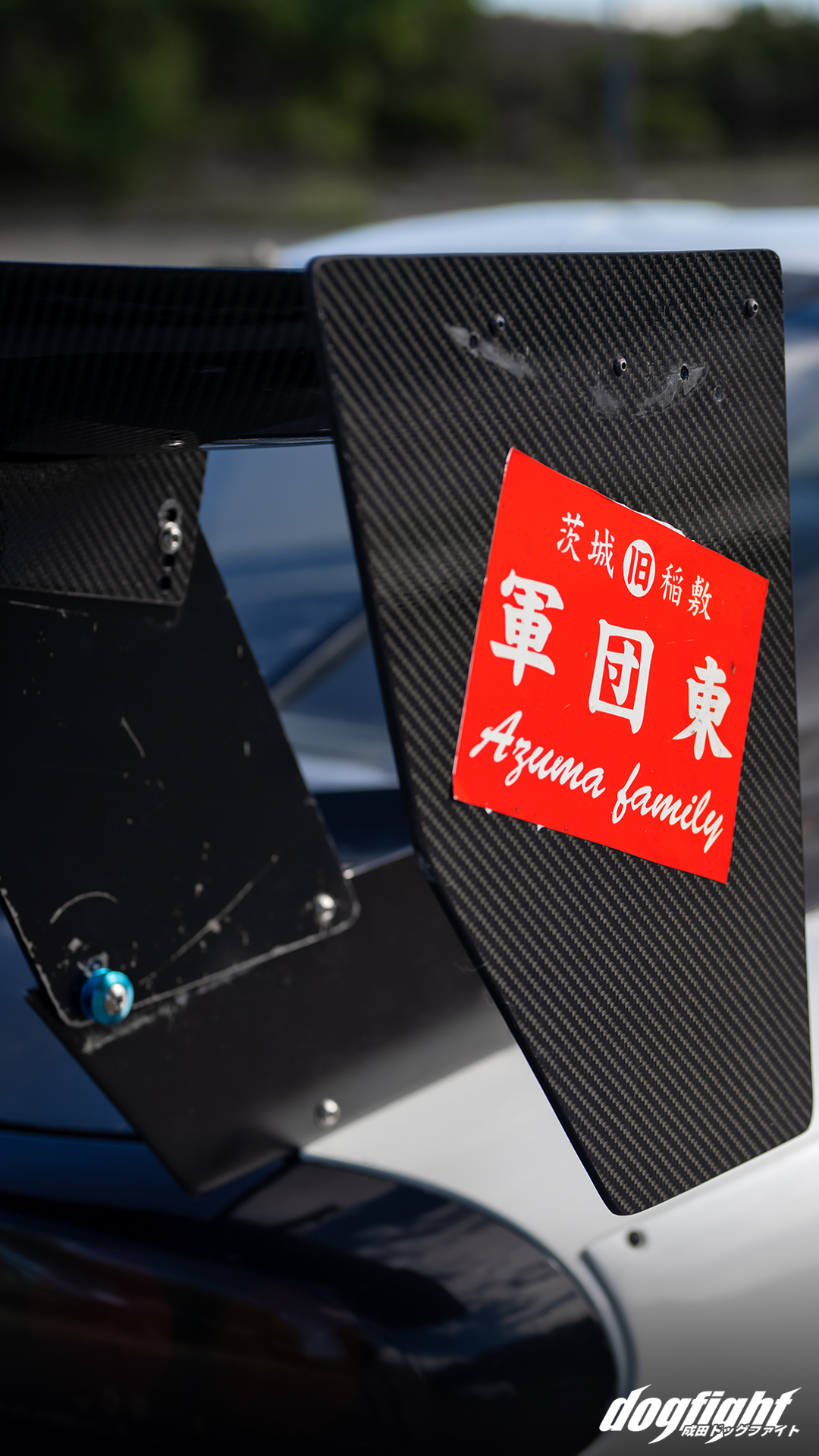
The wing end plate is adorned with an ‘Azuma Family’ decal akin to something out of Initial D. I asked Shinji if he could tell me a little more about it, and he said that it wasn’t necessarily a team, but a group of people who enjoy running Naruto Skyline freely. I tried my best not to dramatize it in my head, envisioning 4 or 5 cars chasing each other violently through the pass, hugging the coastline of Seto Inland Sea as their exhaust notes echoed off the mountainside.


The car utilizes the stock calipers, but the rotors have been replaced with a two-piece Project Mu rotors front and rear. 18″ Advan GT’s,a popular choice for the FD, are wrapped in 295 series A050 GS-spec tires.

Dual RE-Amemiya SLEEK headlight ducts replace the factory pop-ups and allow air flow while still providing enough light for Shinji to drive at night.

Craft Square mirrors seem like the appropriate choice for the build. Underneath the mirrors, on each door, are decals from various years of the Okuyama Tuning Festa – a motor sport gathering held annual at Okuyama International Circuit; another local track that Shinji frequents.


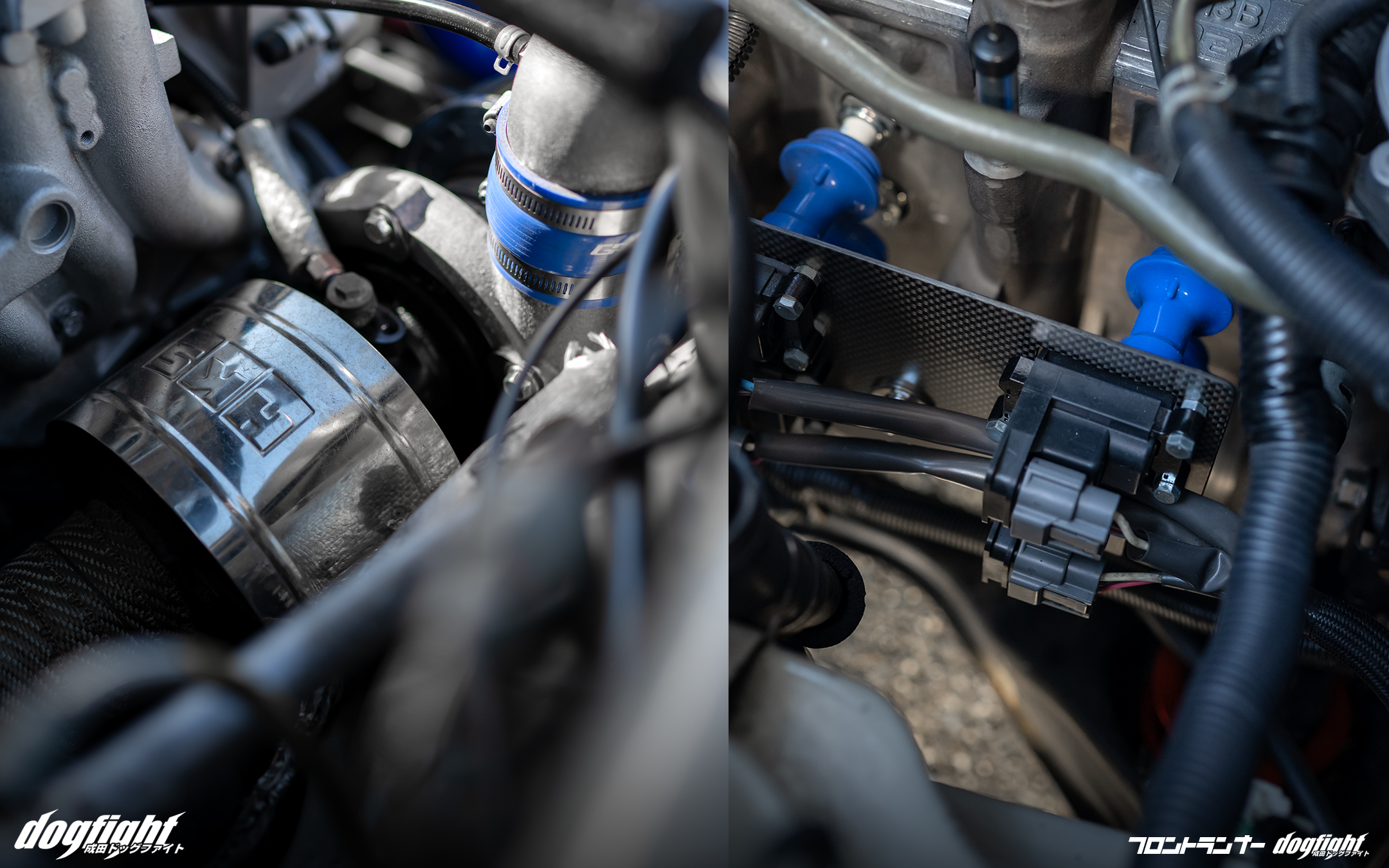
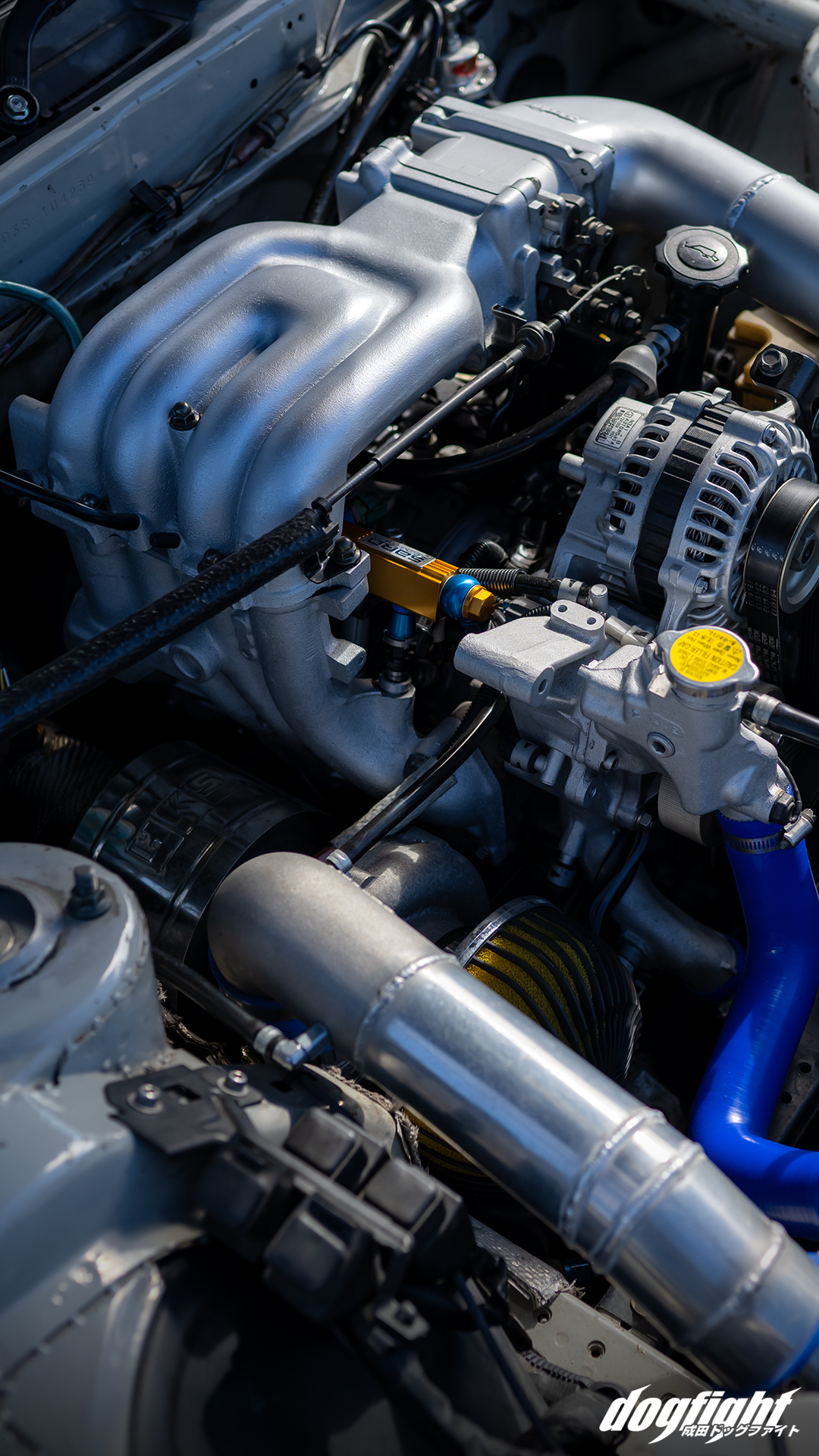
The freshly rebuilt 13b features a side port completed by Pit Road, and an HKS GT3-4R turbo. Tuned with a period-correct Apexi FC, the power numbers are kept confidential. A Trust intercooler, radiator and oil cooler assist in keeping temperatures optimal. You can see the spot welding on the shock towers here – the entire chassis has been reinforced with spot welds as well as a gusseted 6 point roll cage.

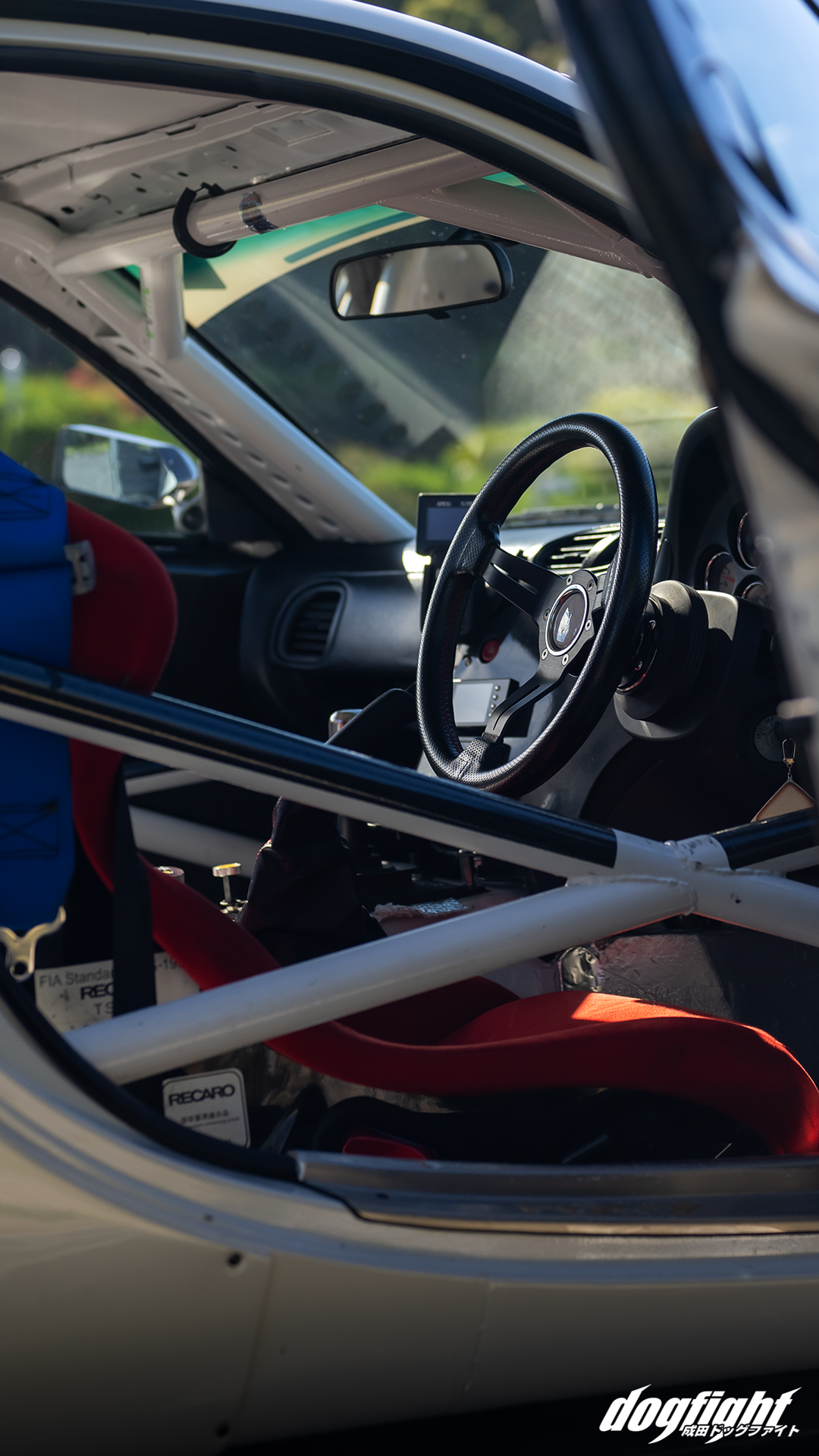
The interior is as simple as you would imagine, matching the rest of the build perfectly. The OEM dash remains while everything else has been jettisoned in favor of weight savings.

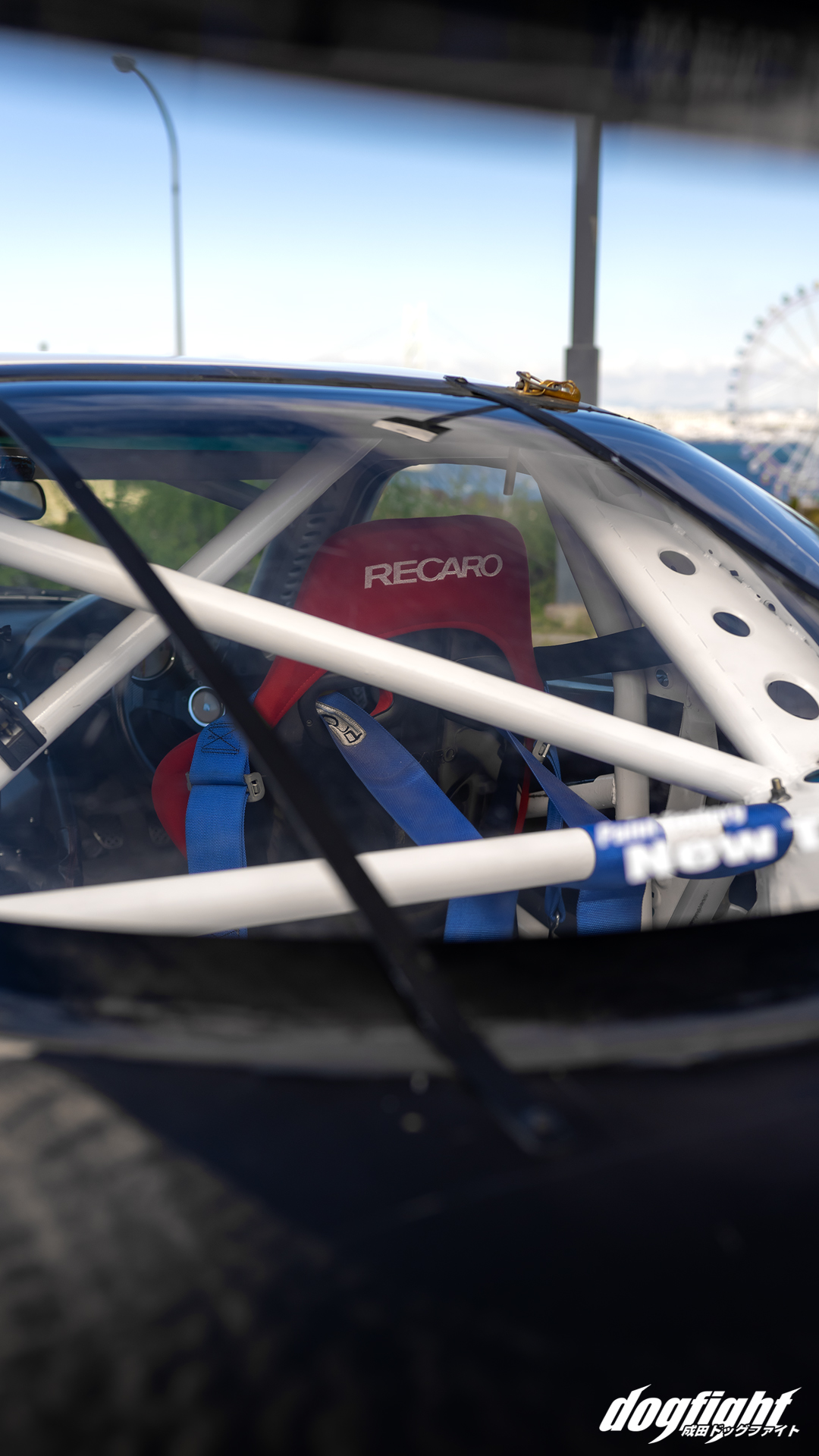
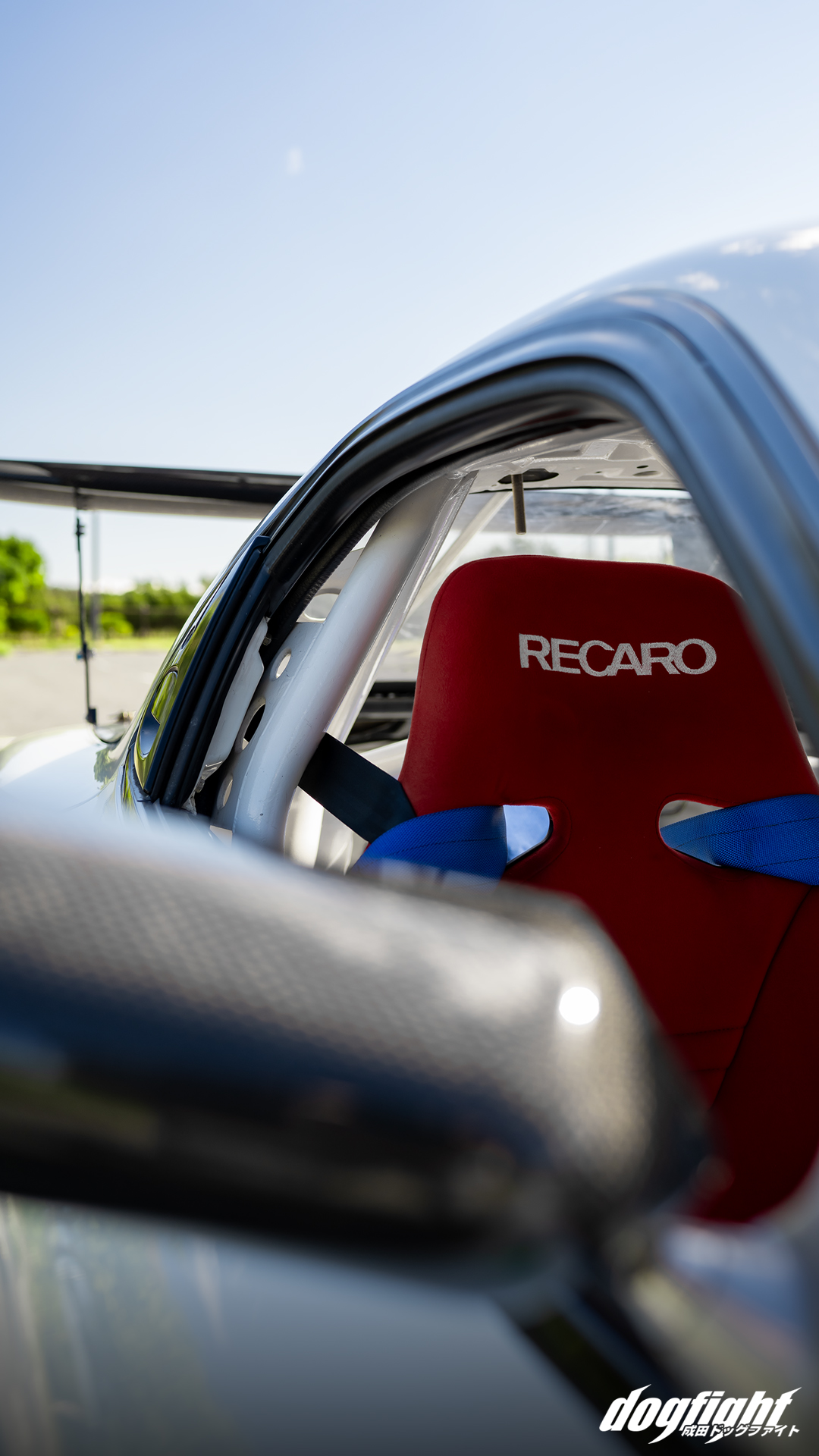


This car is yet another shining example of the power of simplicity in motor sport – something we see often in Japan. A parts list that adds to the performance of the beloved chassis, careful not to overpower it, and most of all, get used as intended.
Discover more from
Subscribe to get the latest posts sent to your email.