
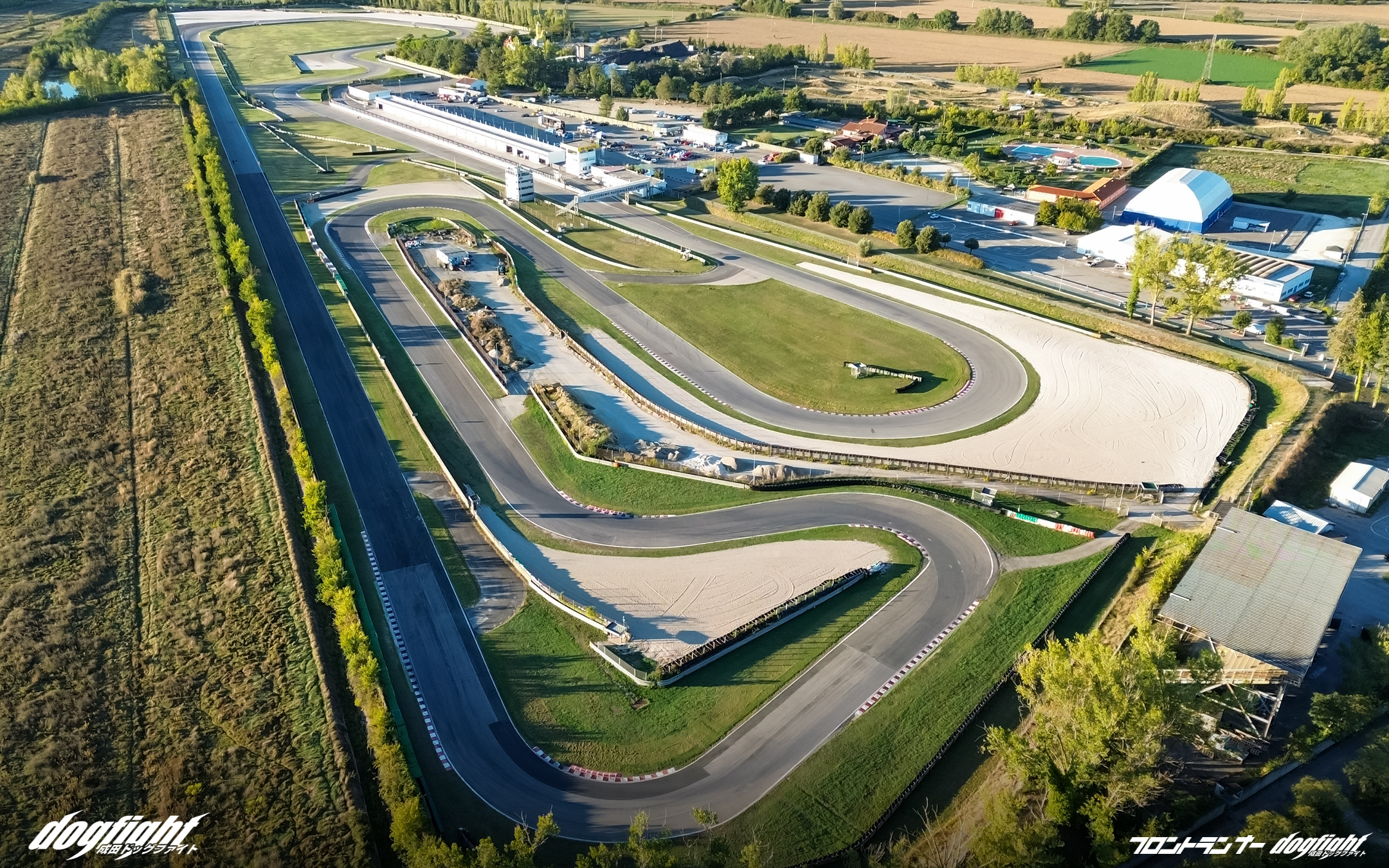
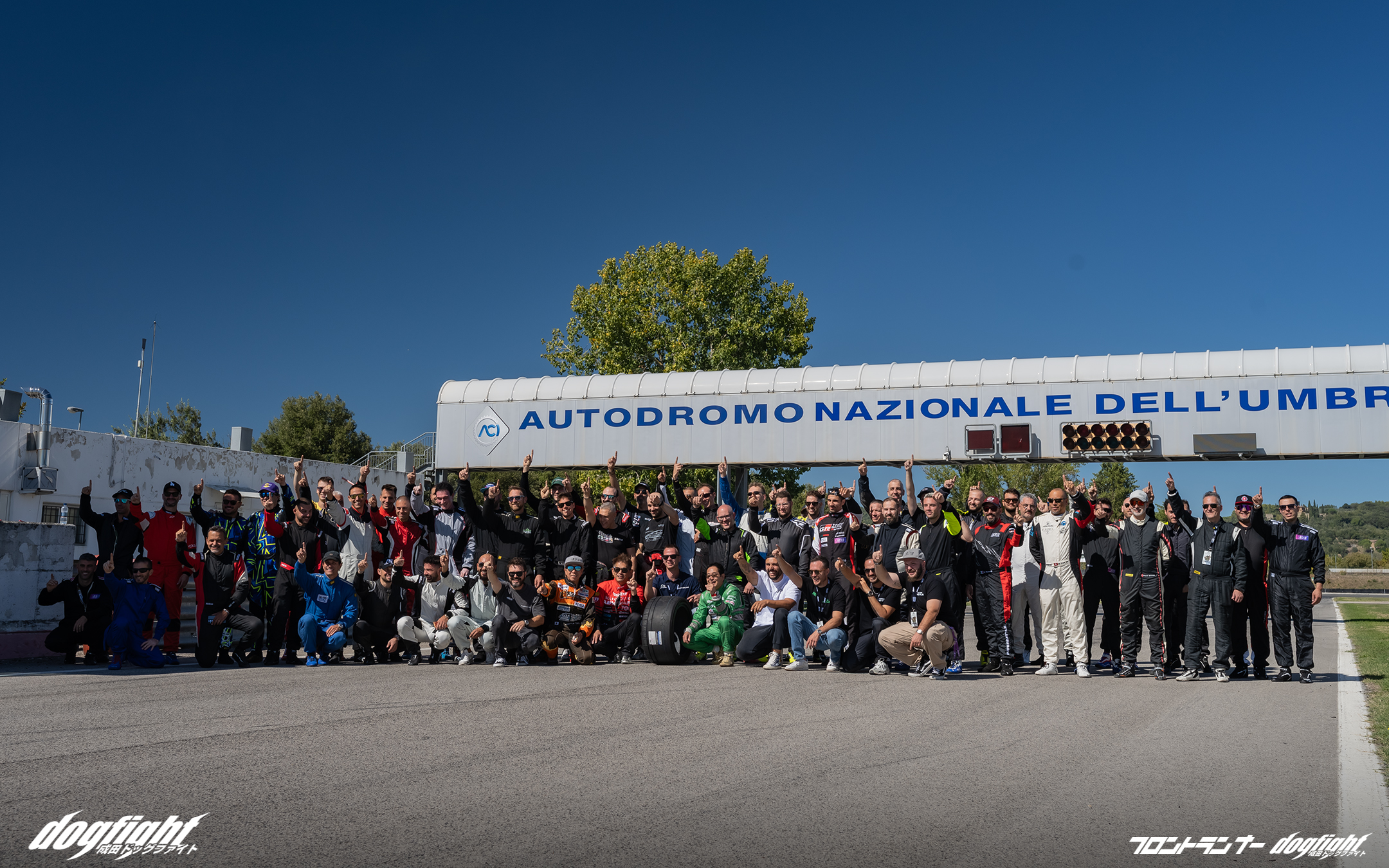
At the end of September, I traveled to Italy to attend Magione Super Battle, an event that I had been following with increasing interest over the past few years partly due to the organizers being good friends of mine. During Attack Tsukuba 2026 earlier this year, Alessio invited me out to central Italy to attend MSB. Held at Autodromo dell’Umbria in Magione, the event is organized by Italian Super Battle (ISB), a relatively young organization whose influences are deeply rooted in Japanese time attack. This year’s event, appropriately titled ‘Circuit Legends,’ took place on September 26th and 27th and brought together more than 150 cars and over 5,000 attendees for two days of driving, exhibitions, and a gathering of Japanese motorsport personalities. For those unfamiliar with MSB, the event began in 2022 with approximately 40 cars and a relatively simple concept. Its founder and my aforementioned friend, Alessio Cavalletti, wanted to create something in Italy that reflected the time attack culture he had experienced over years of visiting Japan. Specifically, the environment surrounding Tsukuba Circuit, where the combination of private entrants, professional shops, manufacturers, and drivers has established a culture that is difficult to replicate anywhere else.


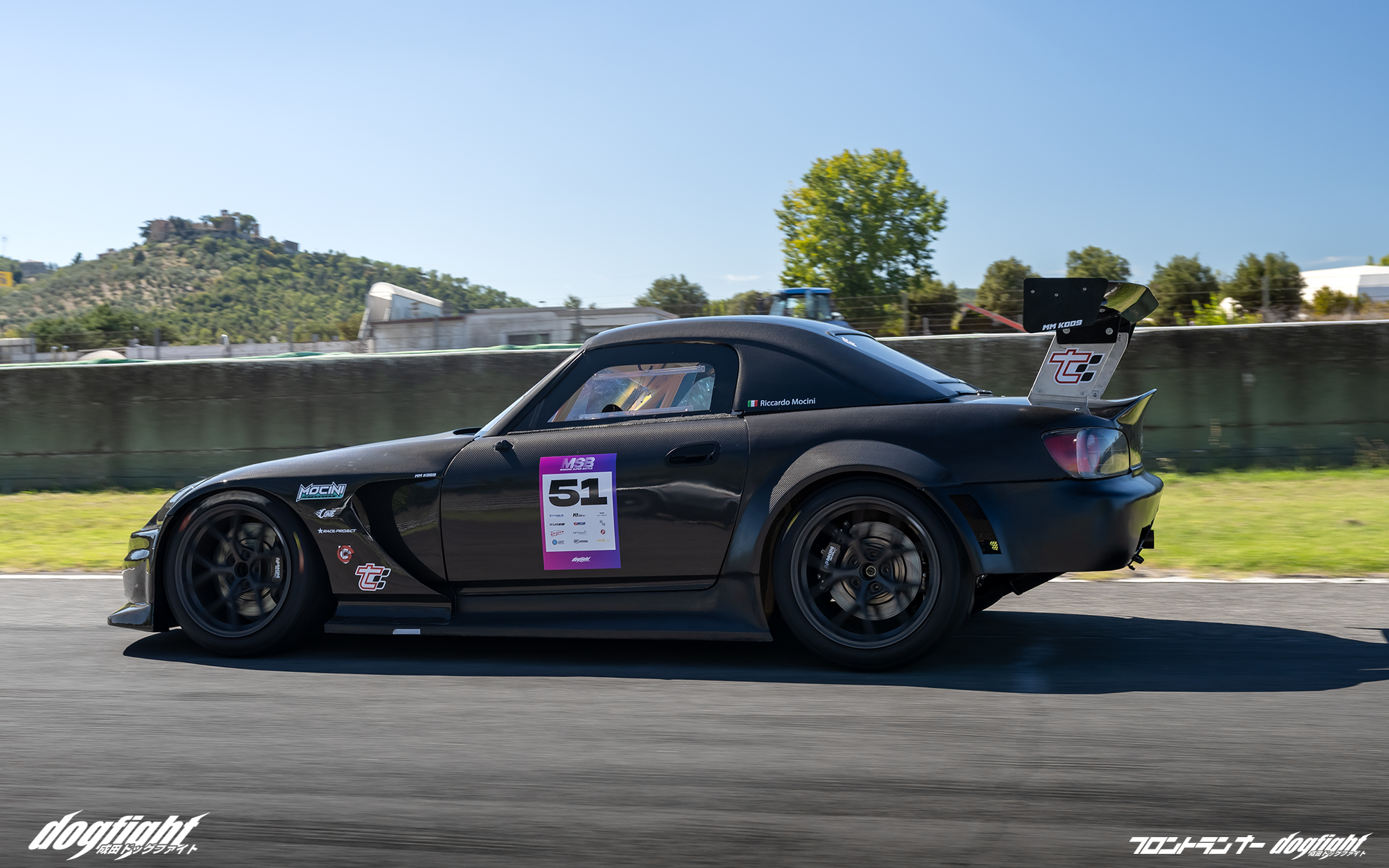
I recently wrote a fairly extensive feature on Alessio’s personal S2000, as well as his history with Japanese time attack and the formation of MSB. Rather than cover all of that again, I recommend reading that article for a little more context on the people responsible for the event and the philosophy behind it. It was interesting to hear Alessio’s take on how MSB has changed since its beginning. Alessio originally envisioned something much closer to the Japanese Attack format, but over time the differences between the European and Japanese tuning scenes made it necessary to develop a more individual approach. The team has slowly established something that shares many of the same influences, while operating in a way that makes sense for its own participants. I ran into a similar issue (on a much smaller scale) with my own time attack series, NDF Attack Challenge. You can also check out the event video we posted a couple weeks ago – will give you a nice overall view of the event, I think.

Experiencing time attack in Italy felt both new and familiar at the same time, if that makes sense. There are naturally a lot of similarities in motorsport, particularly within time attack, but what stood out to me was how well the team behind ISB has managed to capture the atmosphere and approach of a Japanese event. From the organization to the overall experience, it’s clear that a lot of thought has gone into bringing those influences to Italy, while still allowing the event to develop its own identity. One of the more obvious differences between MSB and the events I normally attend in Japan is the variety of cars. At Tsukuba, particularly during the winter Attack season, there is a relatively consistent approach to vehicle preparation. Naturally, there are exceptions, but the cars have developed within a fairly established environment, with recognizable trends in suspension, aero, tire choice, and overall construction. I’m sure you’ll surmise that these cars aren’t they type I would typically gravitate for, but as it is in America, many of them are truly well built.
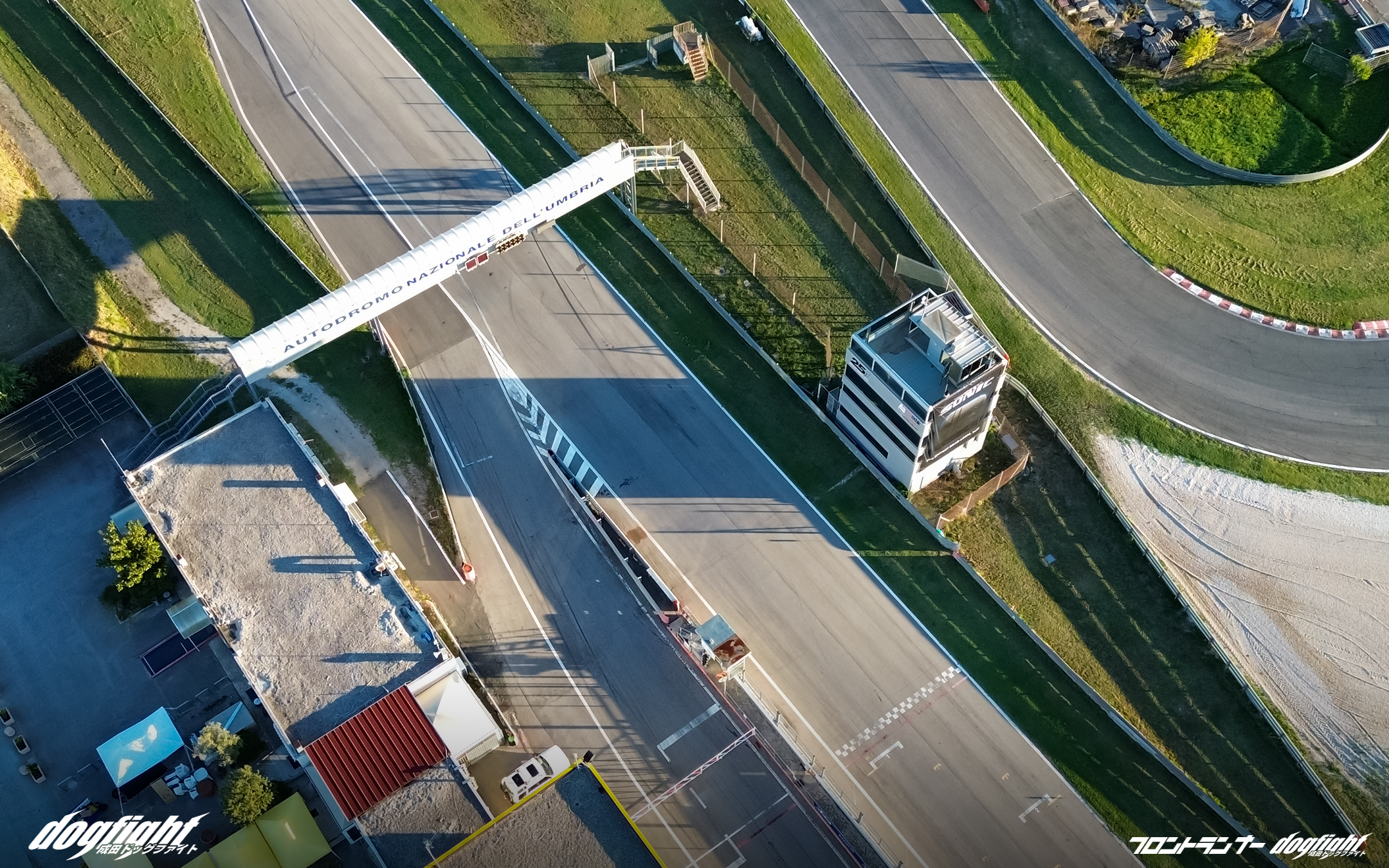
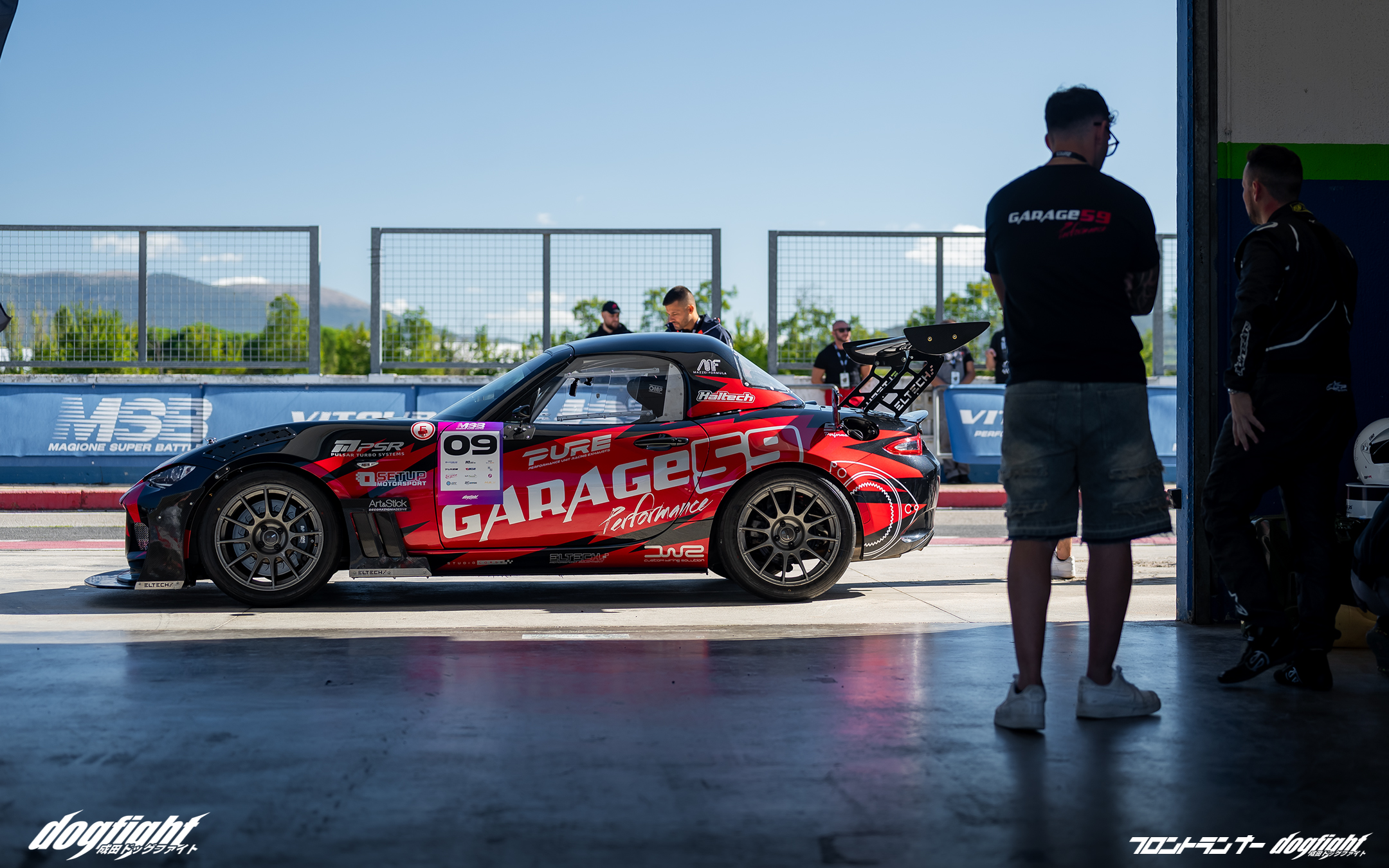
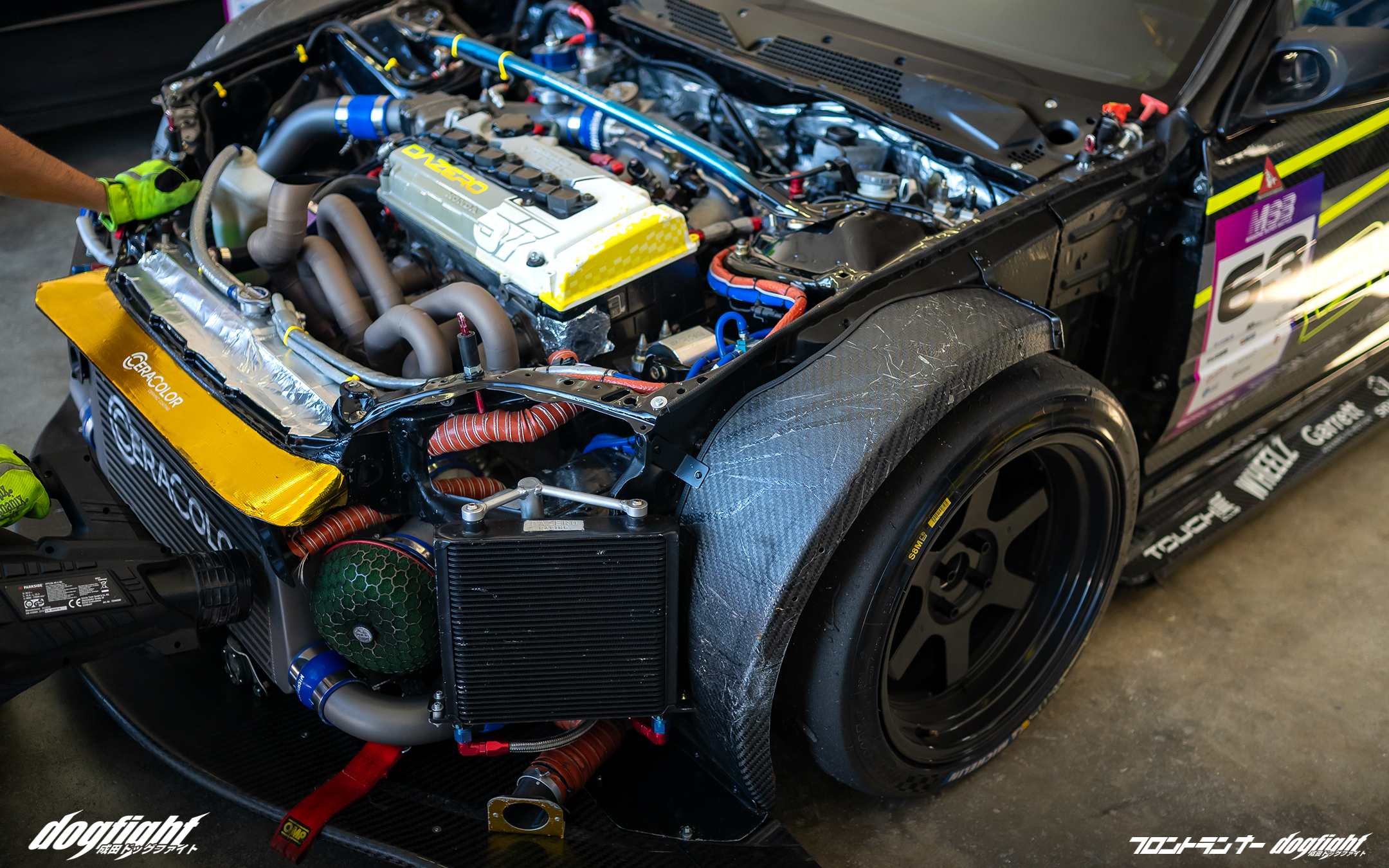
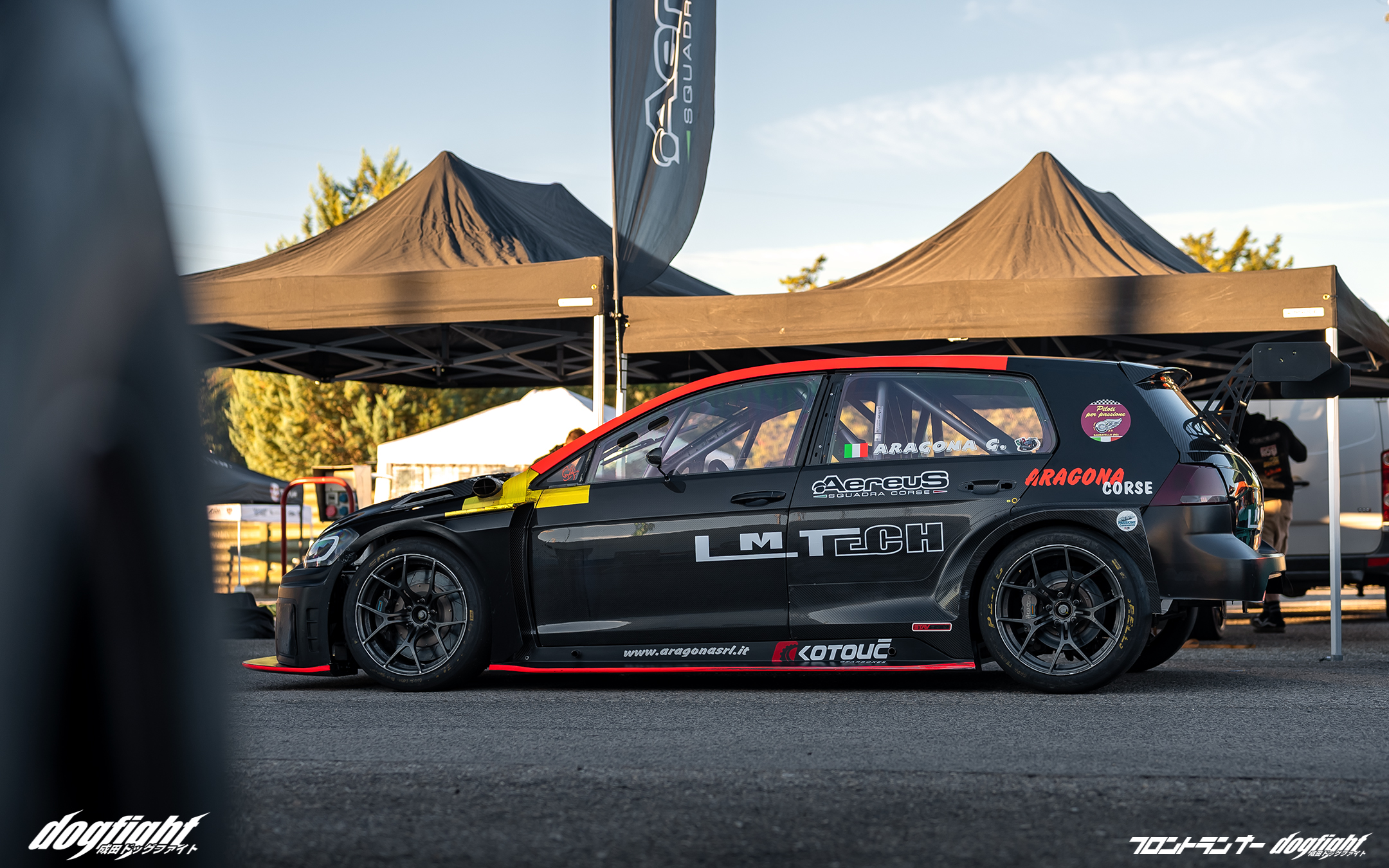
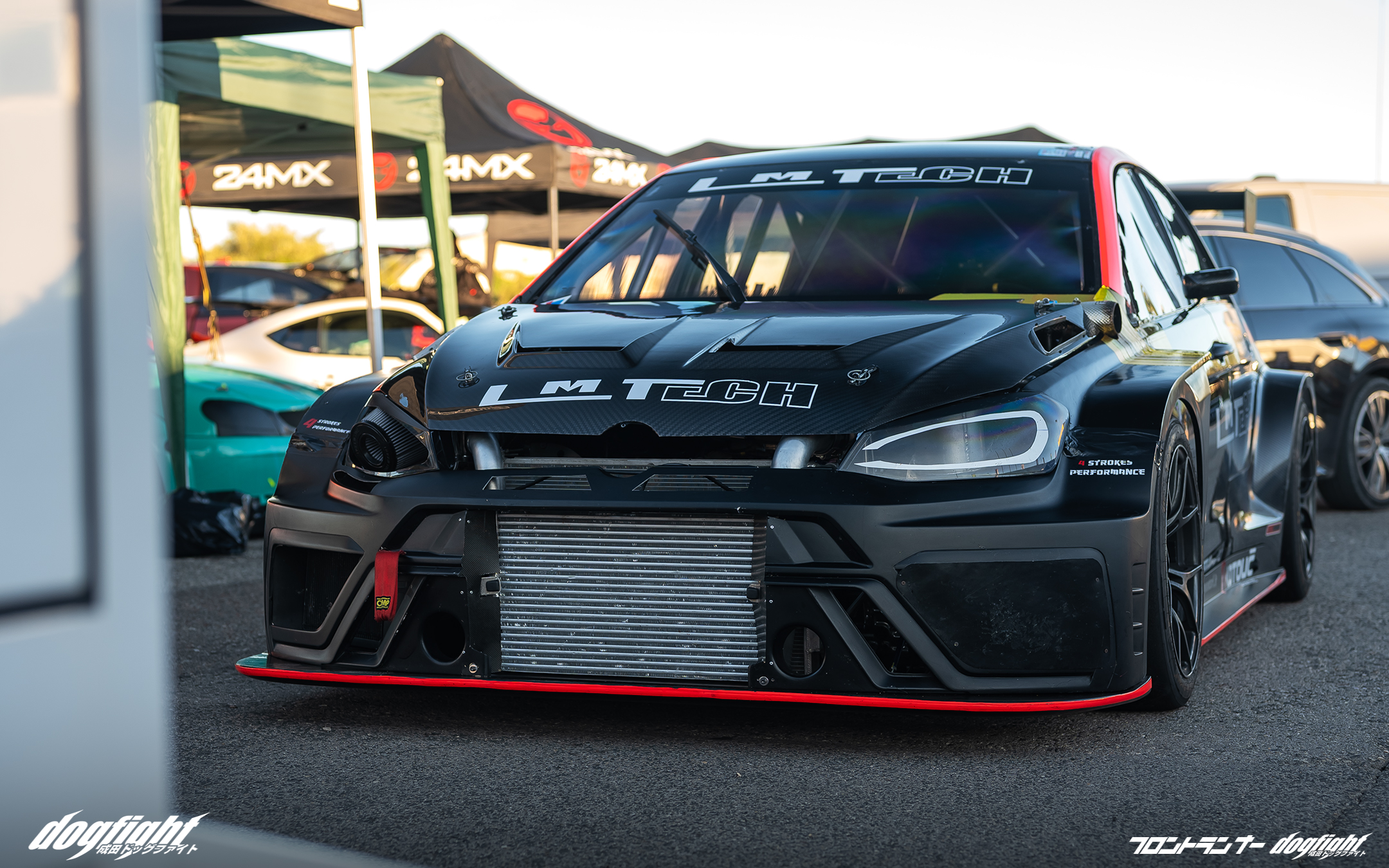
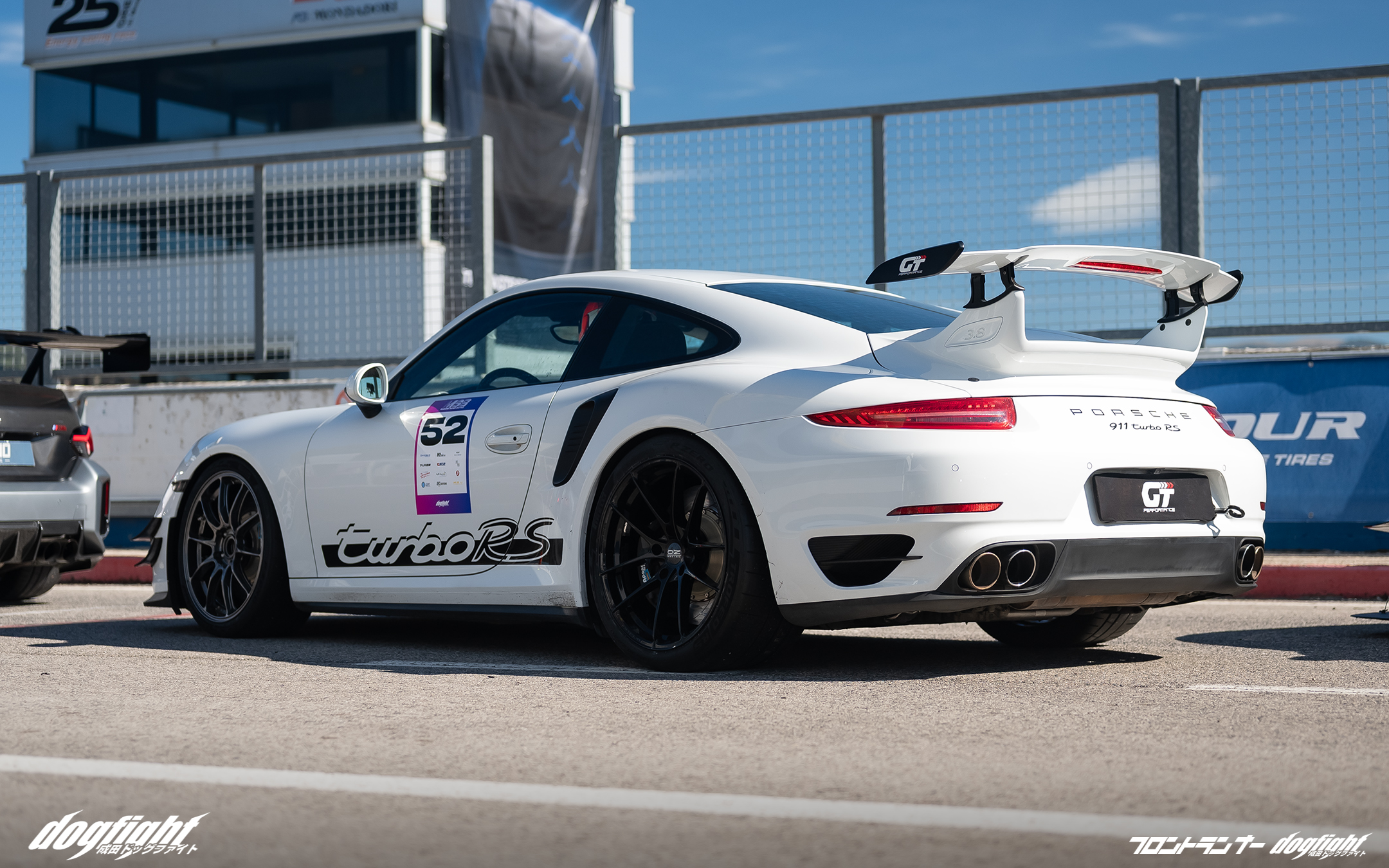
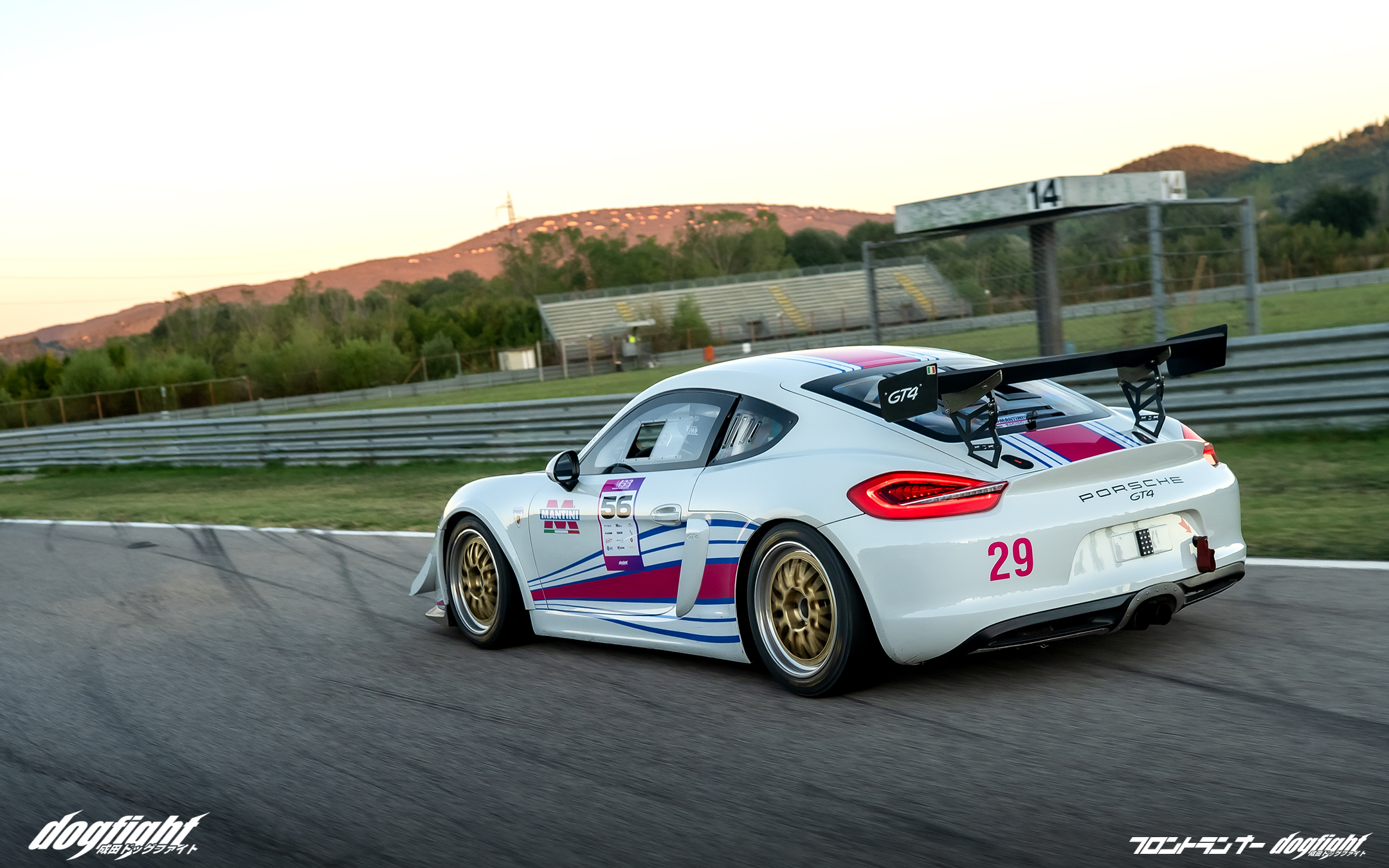
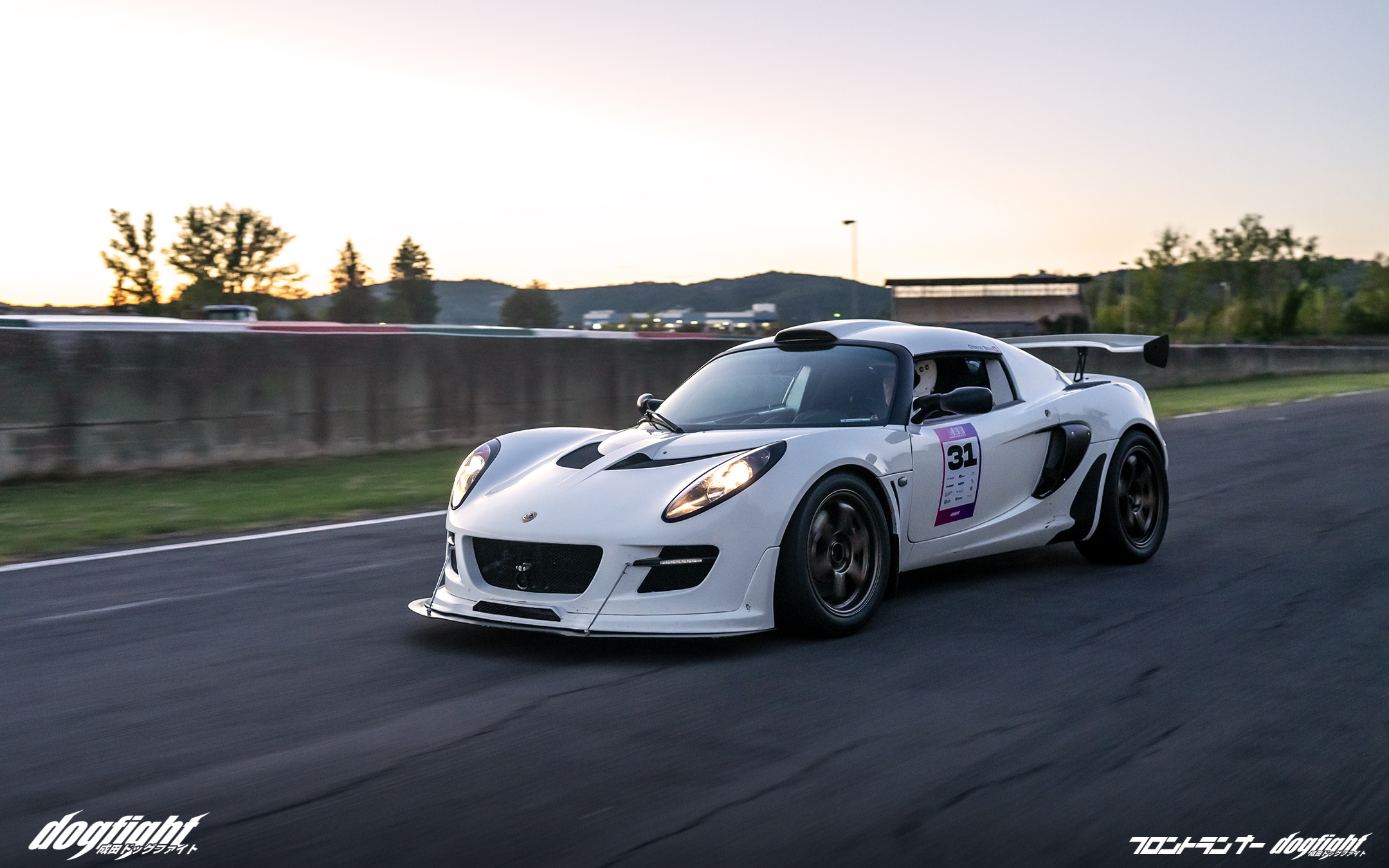
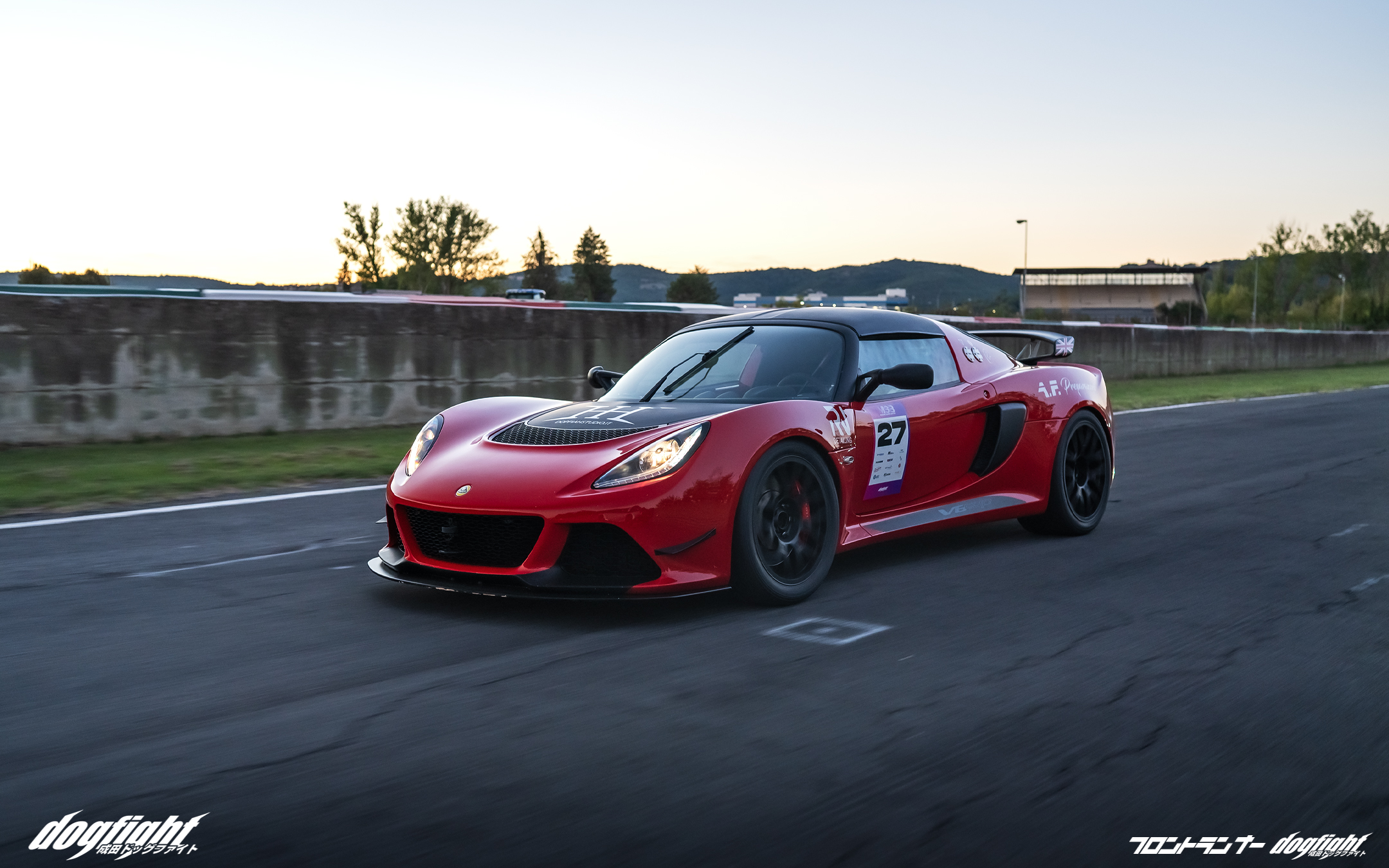
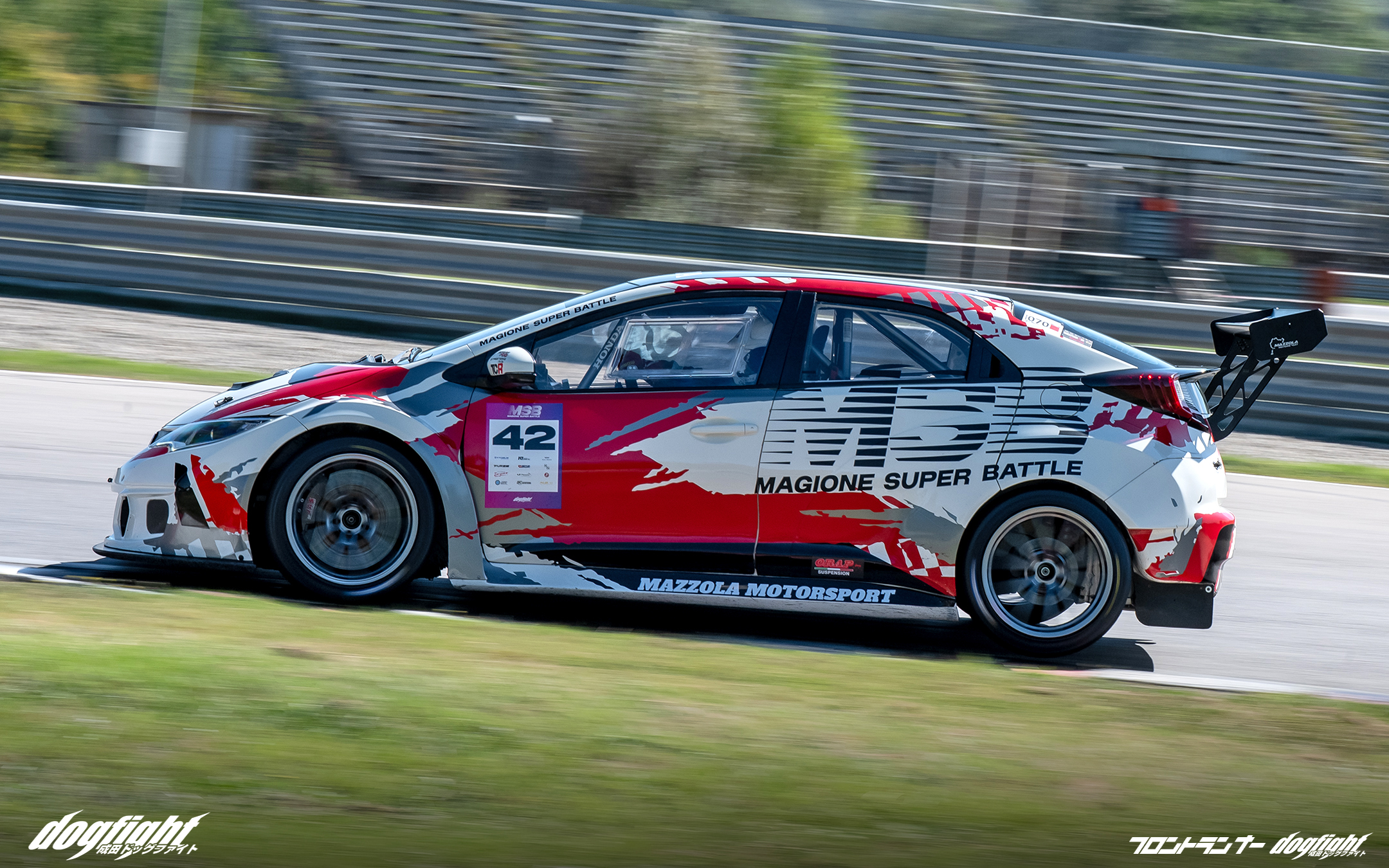
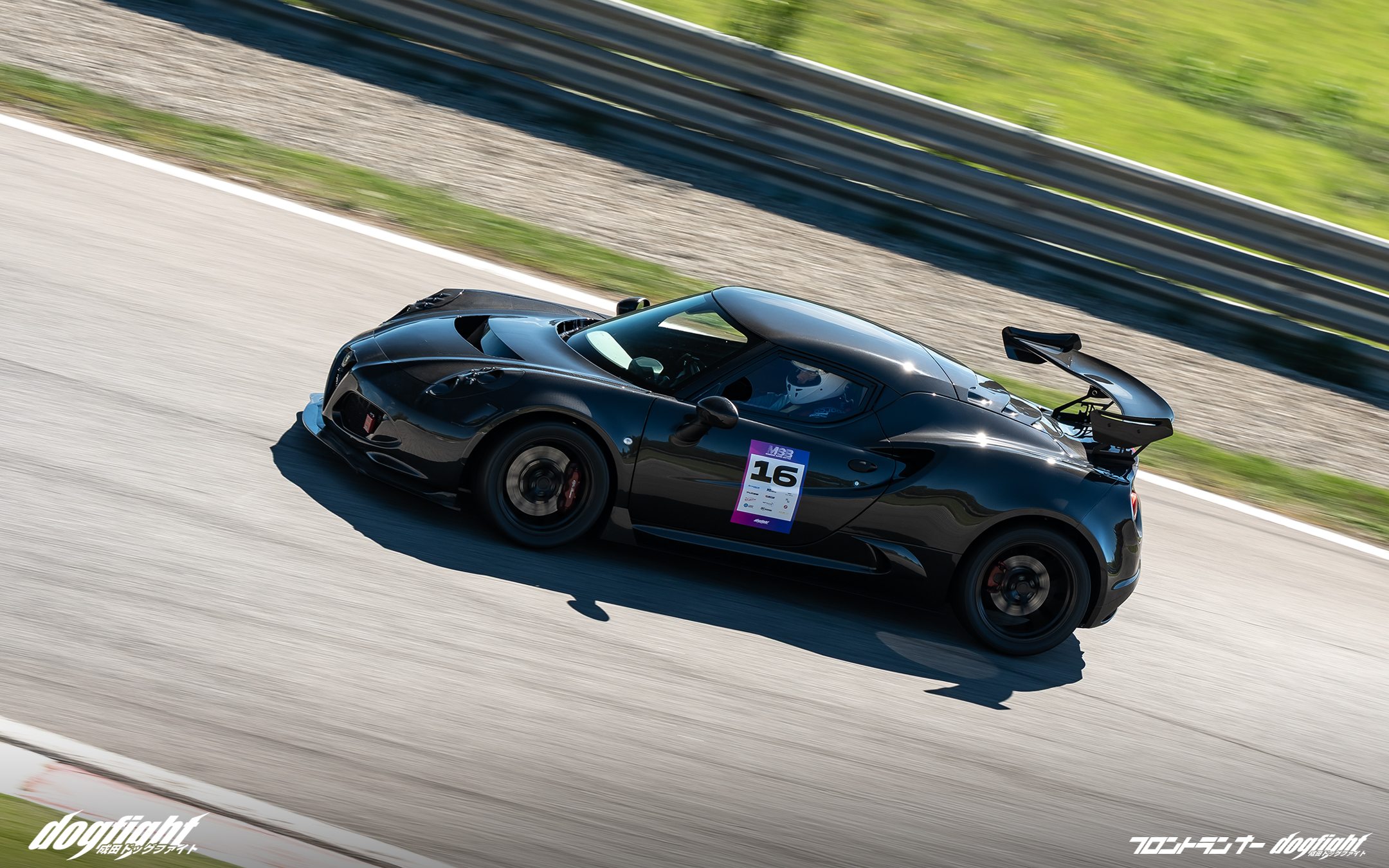
Magione is considerably less uniform. You have Japanese platforms built with recognizable time attack influences alongside European chassis, independently developed projects, and cars that follow a completely different approach to performance. There isn’t necessarily a common visual language connecting everything in the paddock, which is a reflection of how differently the two scenes have developed. The cohesive style of Japan is one that has been crafted over decades, with several key rules on how a car should look – that’s not something you’ll find in the western world. There were cars that I personally gravitated toward and others that weren’t particularly aligned with my interests, but that variation is part of what makes attending an event outside of Japan interesting. It gives you a much better understanding of the local tuning culture than simply looking at a few of the fastest cars. The circuit itself contributes to that character. Autodromo dell’Umbria is a relatively compact facility, with a layout that places considerable importance on braking, direction changes, and maintaining momentum. The paddock and surrounding spectator areas keep much of the event concentrated in a relatively small space, making the cars and drivers accessible in a way that reminded me of events at Tsukuba and Nikko. Maybe not quite that small, but it certainly had that distinct local circuit feeling; even down to the outdated cafeteria building.
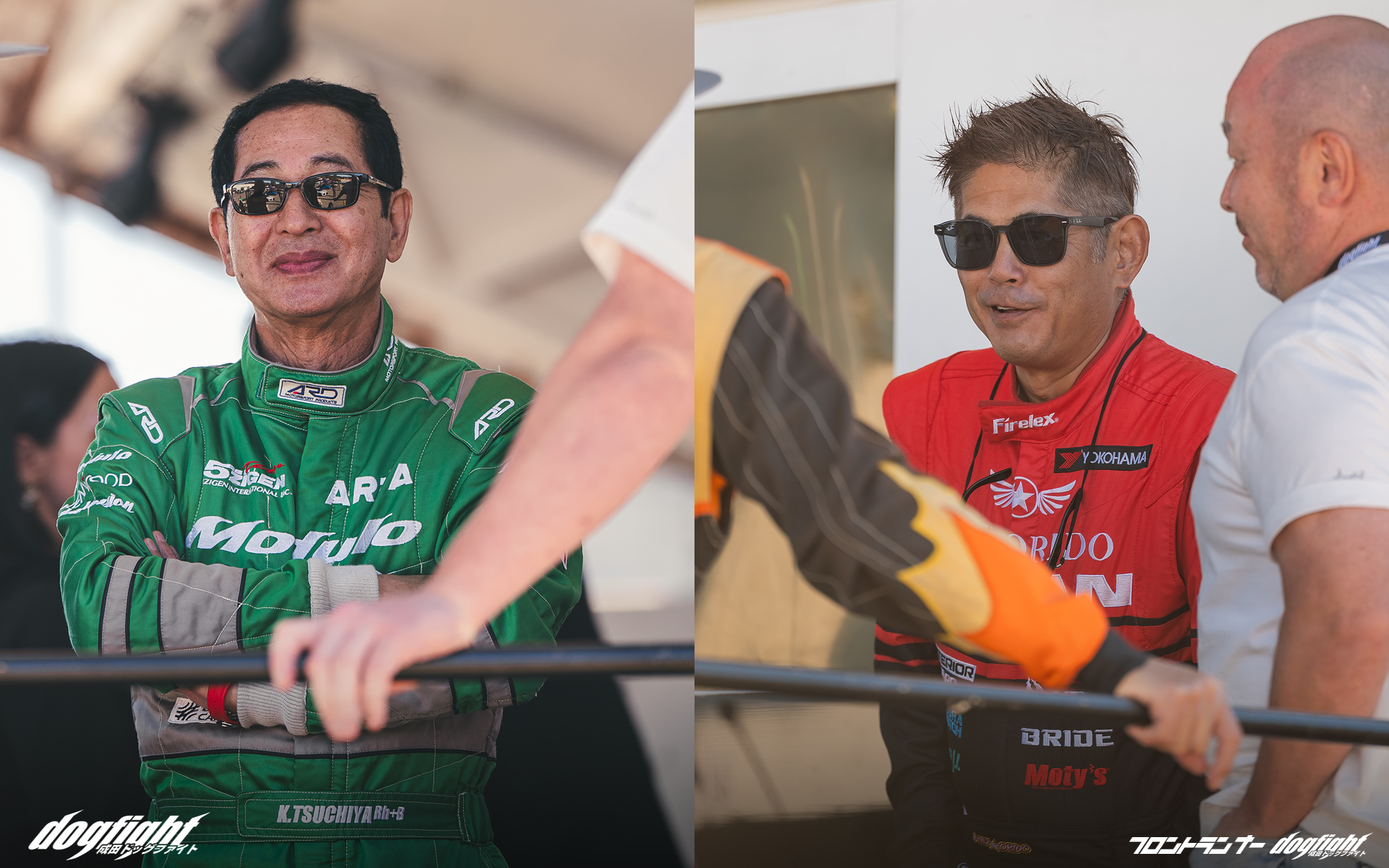
Of course, one of the largest attractions this year was the attendance of three drivers whose names should be immediately recognizable to anyone familiar with Japanese motorsport: Keiichi Tsuchiya, Manabu ‘Max’ Orido, and Eiji ‘Tarzan’ Yamada. Tsuchiya had previously attended MSB in 2025, driving Alessio’s HKS supercharged S2000 during the event. This year, the organizers expanded that involvement considerably by bringing Orido and Yamada alongside him. Considering how much of MSB’s history is connected to the Japanese time attack scene, having all three together in Magione was quite significant. More importantly, they weren’t there exclusively to sign autographs and make appearances. The intention was to put them behind the wheel and allow them to participate in the event itself. Alessio goes out of his way to tailor the car to Tsuchiya’s driving style, even going so far as to import Advan A050’s to drive on.

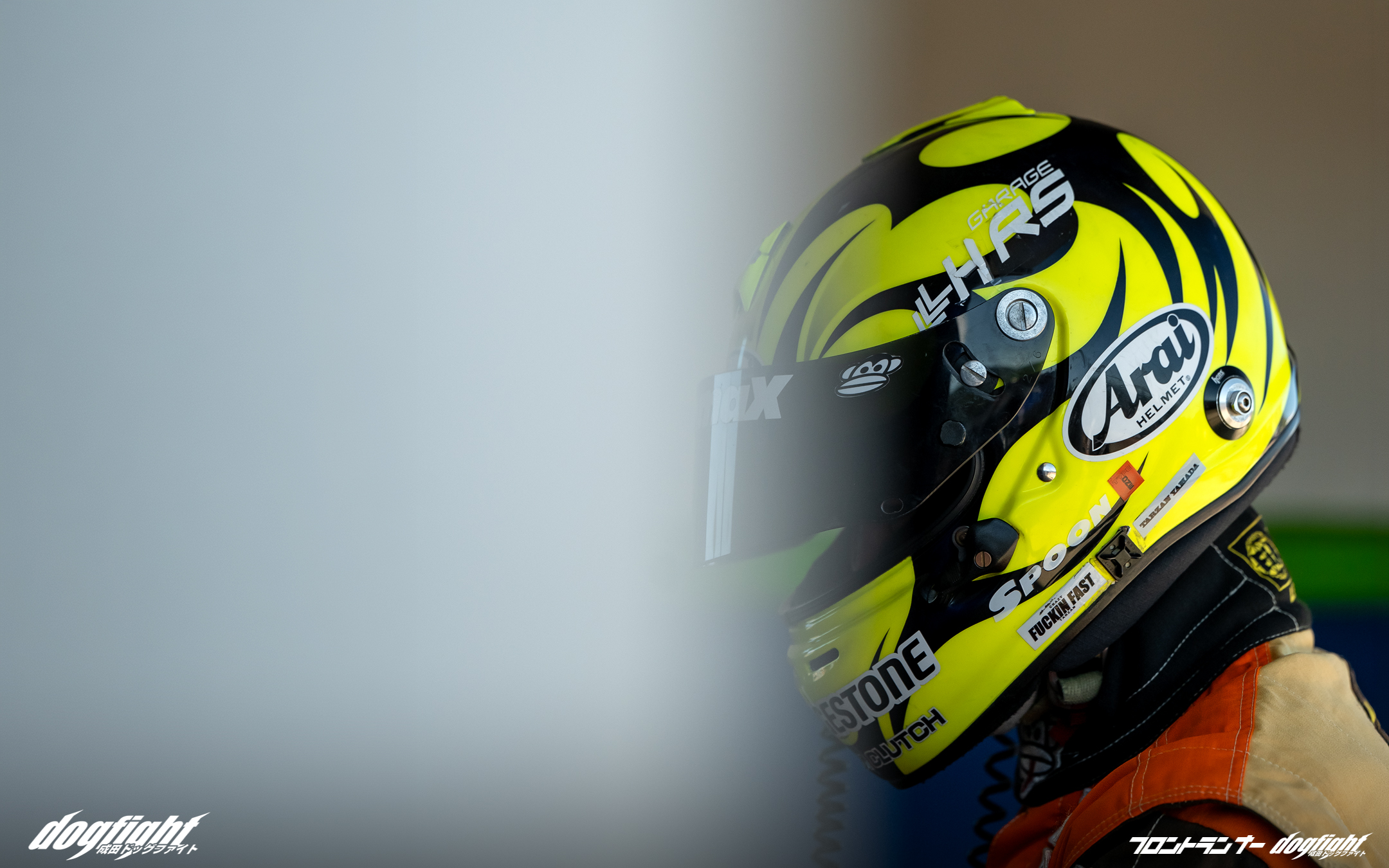

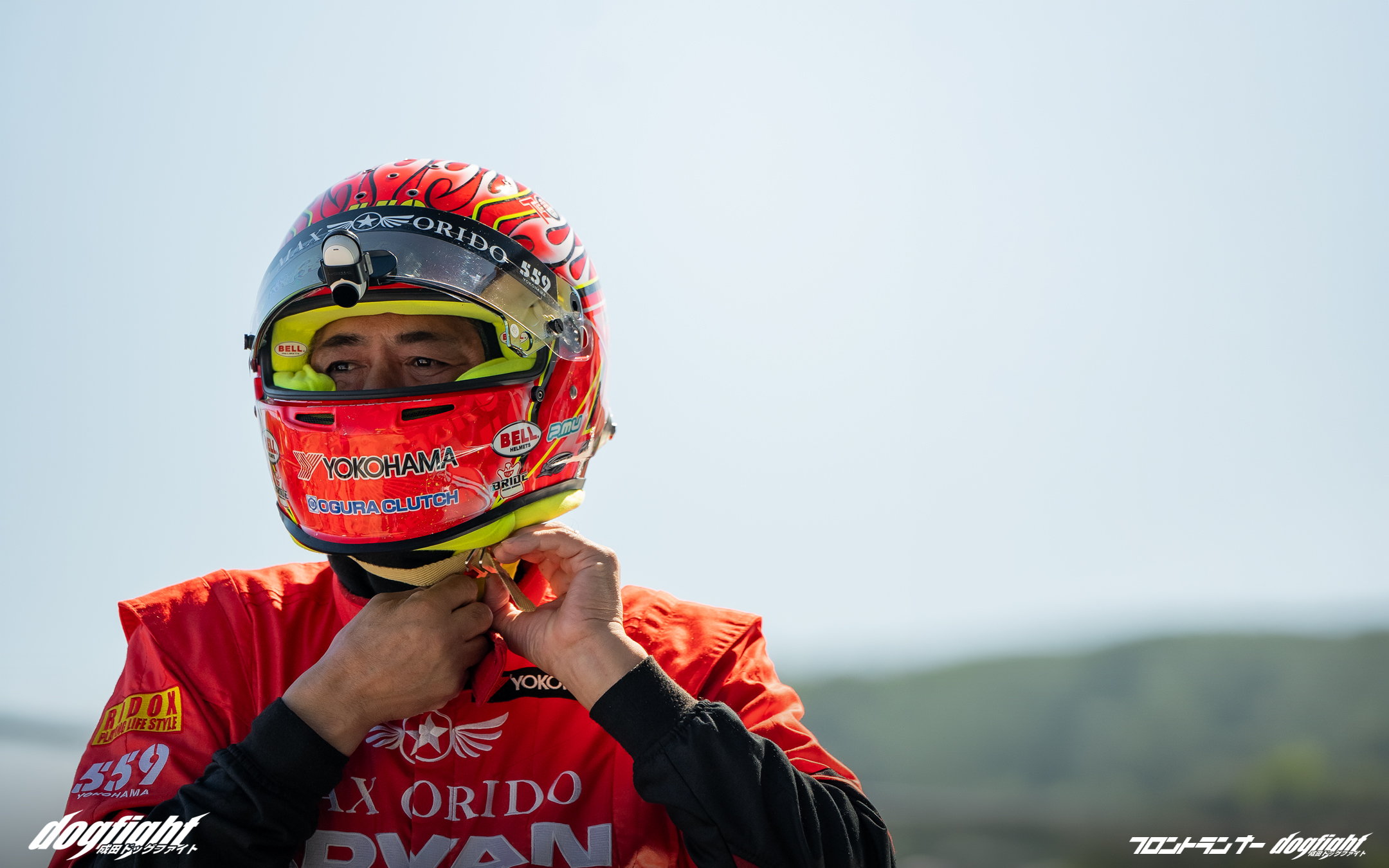
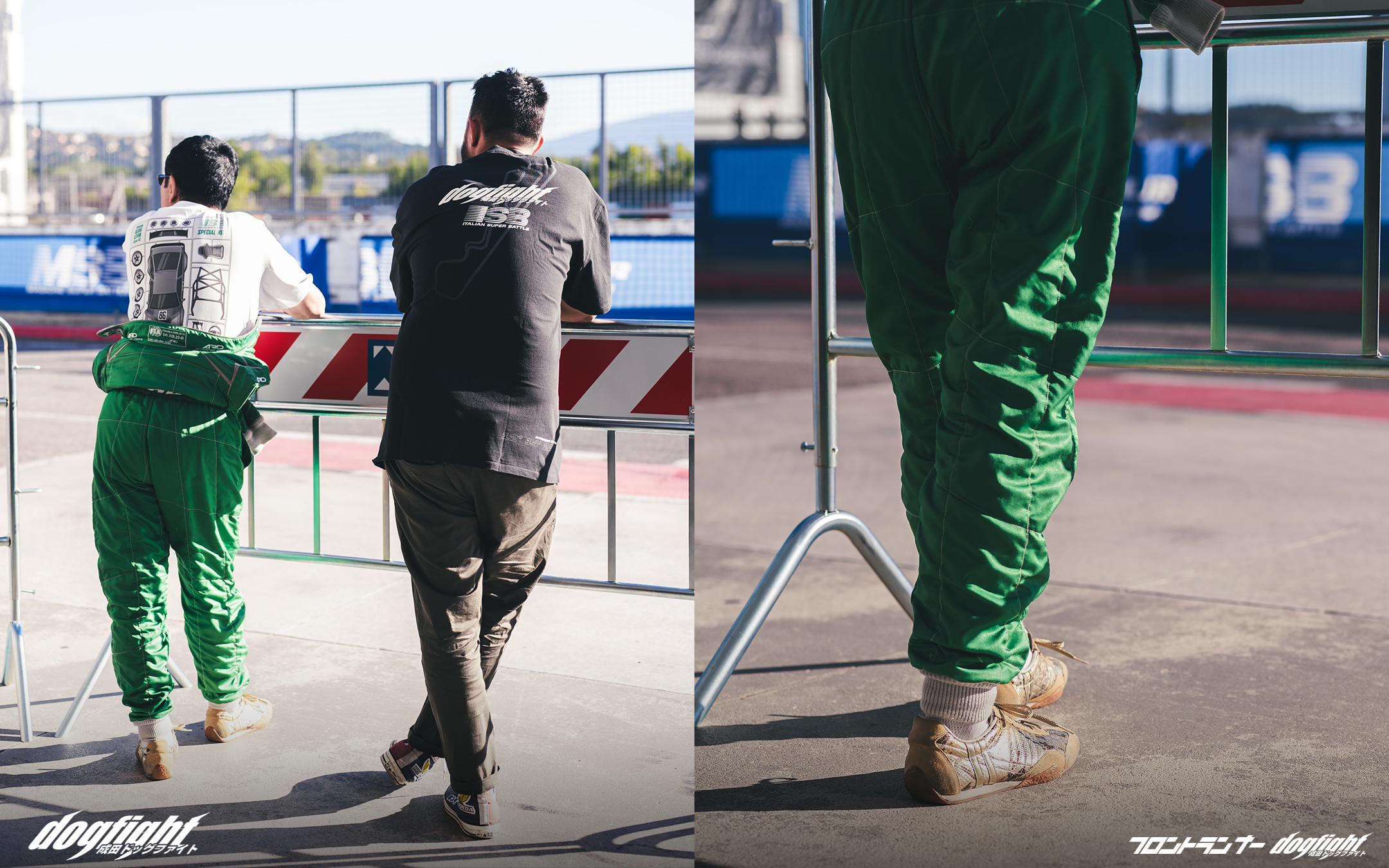

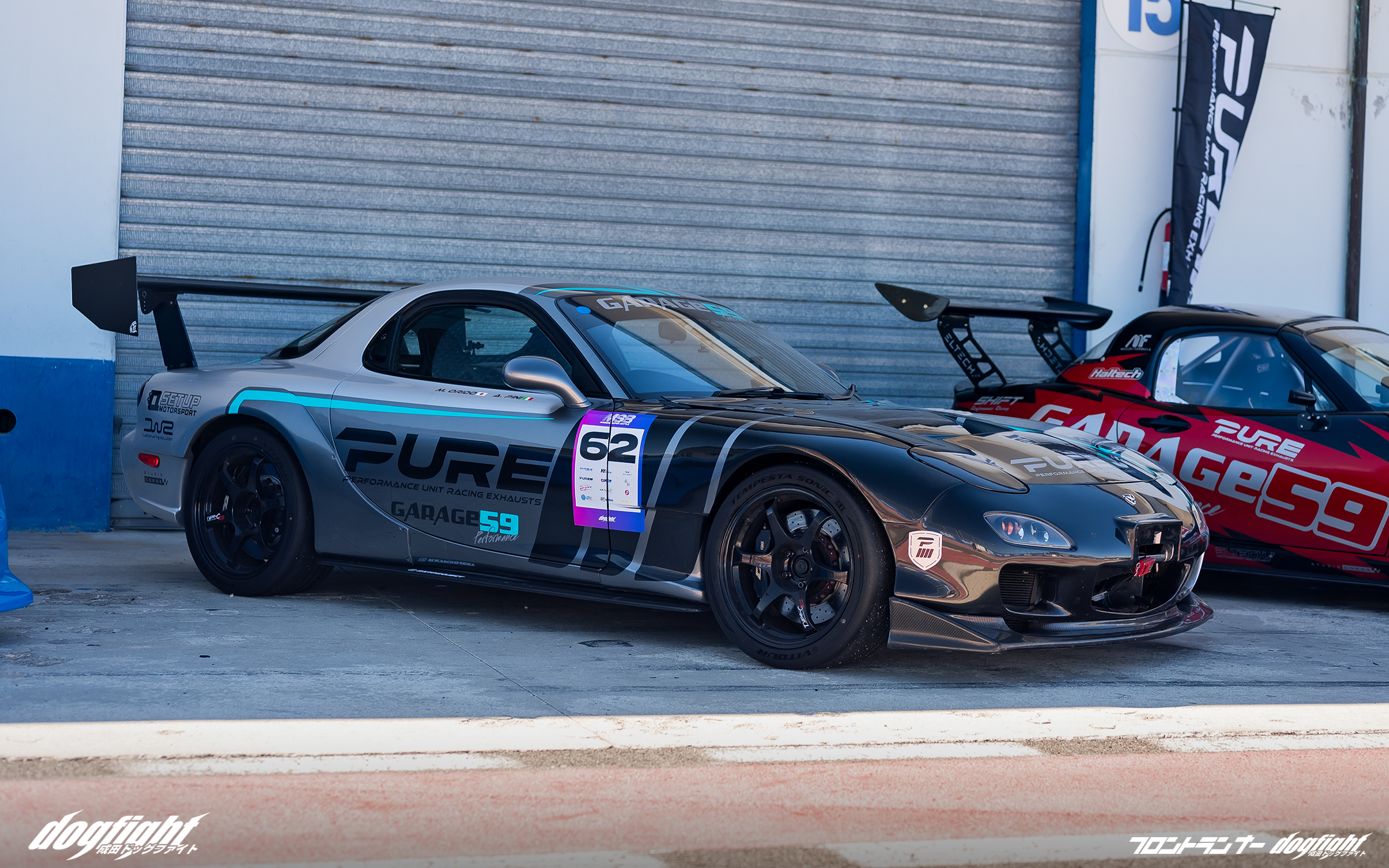
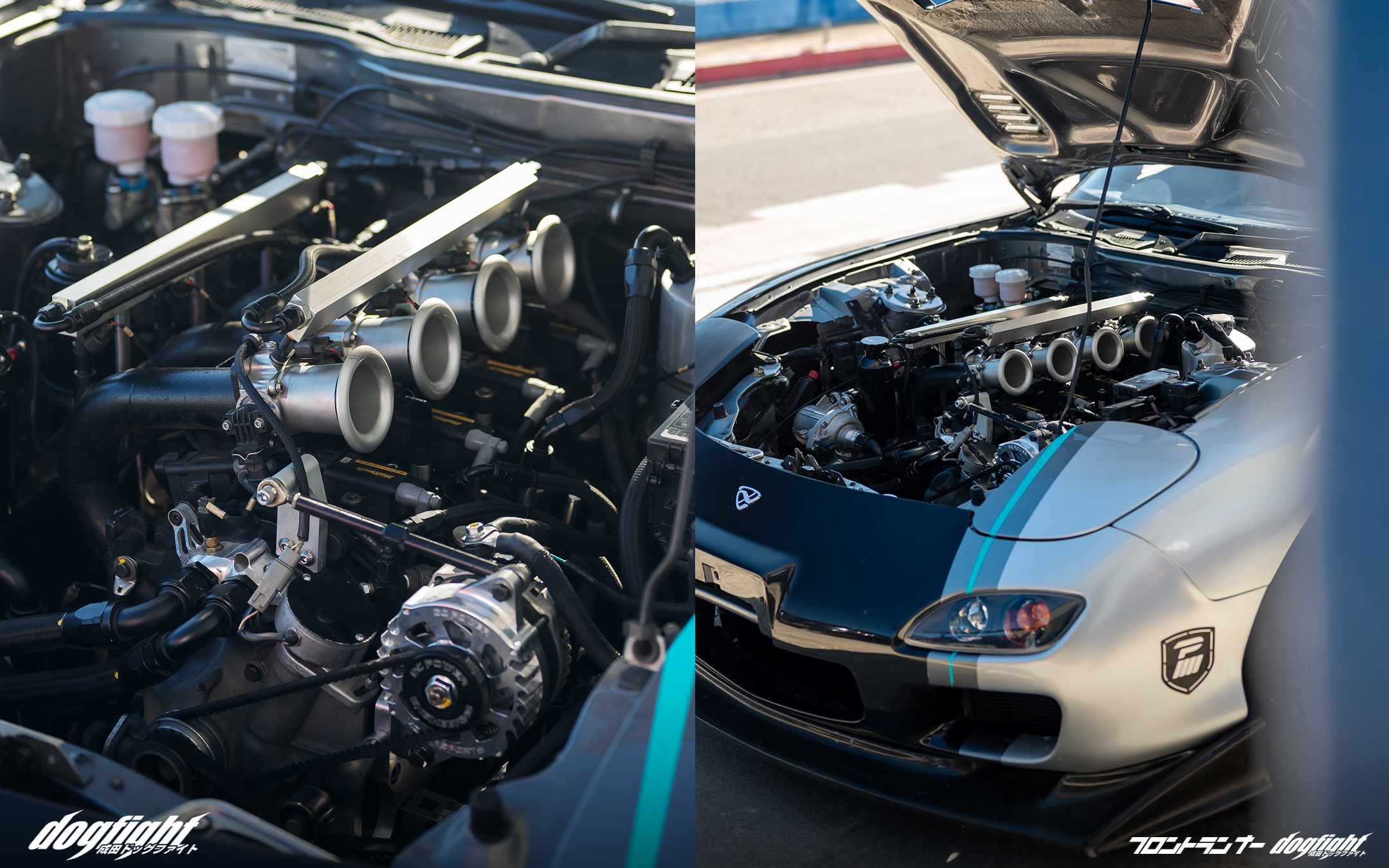
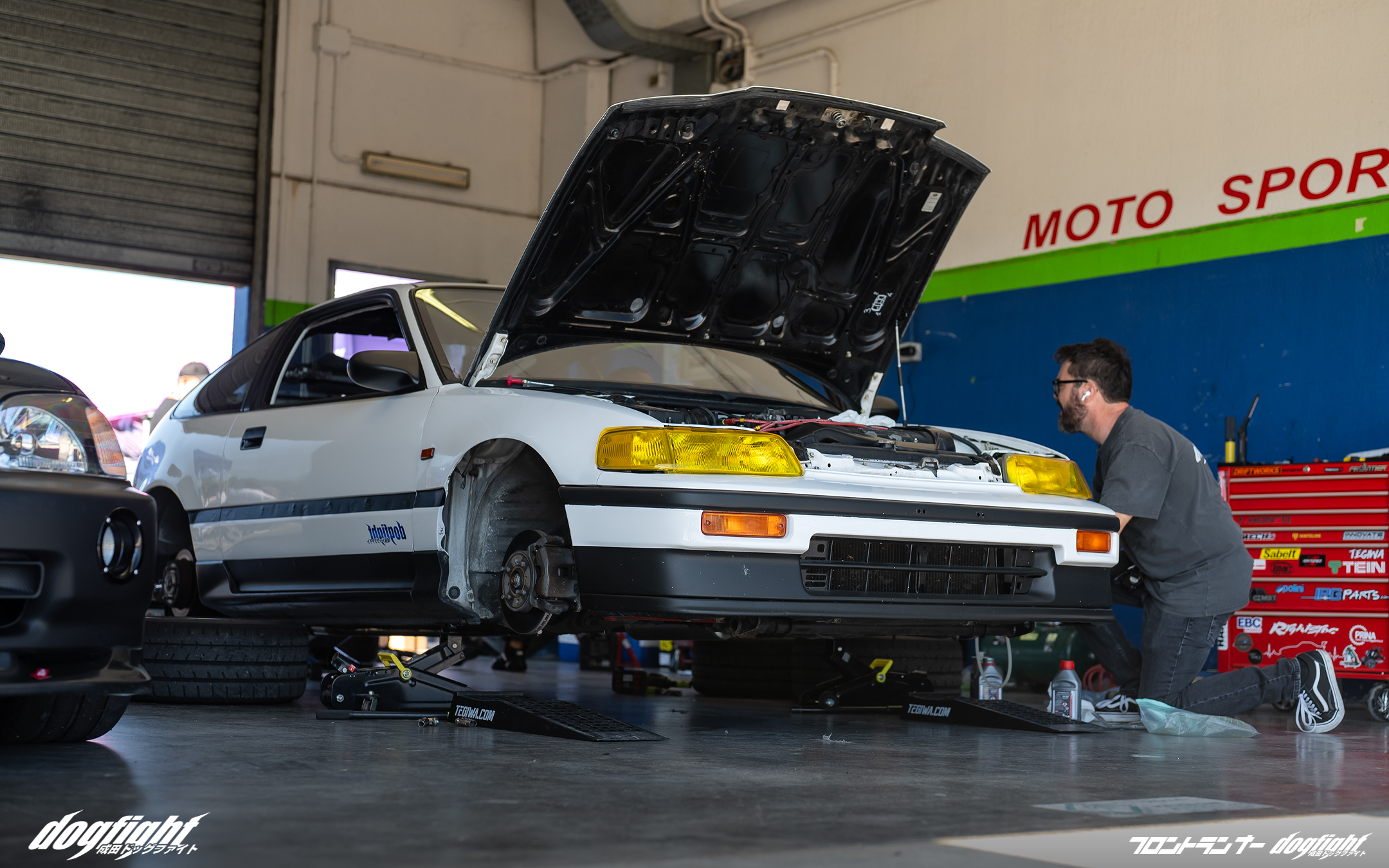
This year Orido drove a four rotor Mazda RX7 FD3S built by Pure Exhaust, one of the more distinctive cars involved in the weekend. Regardless of what it looks like, a naturally aspirated 26b build is the type of machine that naturally attracts attention wherever it goes, and having Orido driving it at an event in Italy was an interesting combination of Japanese motorsport history and European fabrication. Yamada, meanwhile, drove QSetup’s Honda CR-X, prepared for the occasion with a livery inspired by the legendary Cyber Evo. For those familiar with Tarzan’s history at Tsukuba, the reference shouldn’t need much explanation. The CR-X itself is a 1991 car with a B18 VTEC swap, and its owner prepared it specifically for Yamada’s appearance. The fact that the car was already a well-used track machine rather than a purpose-built promotional vehicle is something I appreciate. Yamada spent substantial time driving it over the weekend, recording a 1’22.100 on Sunday. Unfortunately, the S2000 that Tsuchiya was to drive again suffered a very unexpected mechanical issue the first day of the event; disappointing to say the least, as the car was driving perfectly find the day prior. As a replacement, he hopped behind the wheel of the other Alessio’s (both organizers are named Alessio) CRX. The car is the complete opposite of the S2000; low power D16 build that relies on momentum to post quick times. While probably not what he expected, Tsuchiya could appreciate how well the car was setup.
There is also something to be said about seeing these drivers interact with privately built cars outside of Japan. For many European enthusiasts, their connection to Japanese time attack began through Best Motoring, Hot Version, Option, and the various videos that circulated internationally over the years. Those productions shaped how an entire generation understood Japanese tuning, and having the same drivers present, discussing setup and actually driving the cars, creates a much more meaningful connection to that history. For most people that probably would have been enough of a draw, but the group that is running ISB wanted the concept behind Circuit Legends to be more interactive and memorable. They organized VIP areas for select people to have one on one interaction with the drivers, they had multiple on-stage interviews with Italian interpreters, autograph sessions, and special event goods. Magione Super Battle brought together drivers whose careers helped establish the foundations of modern Japanese time attack with European enthusiasts who have spent years developing their own interpretation of that culture.
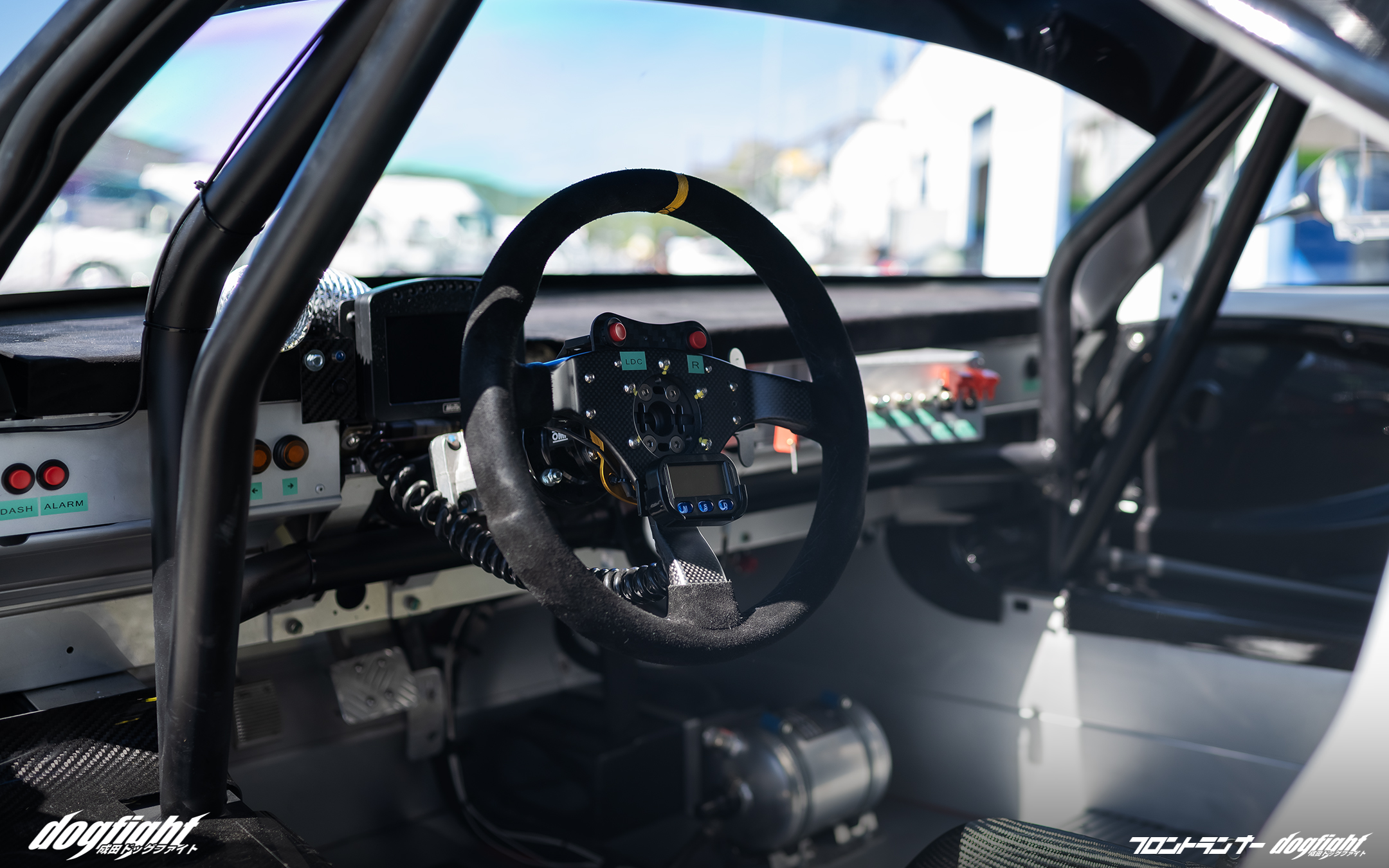
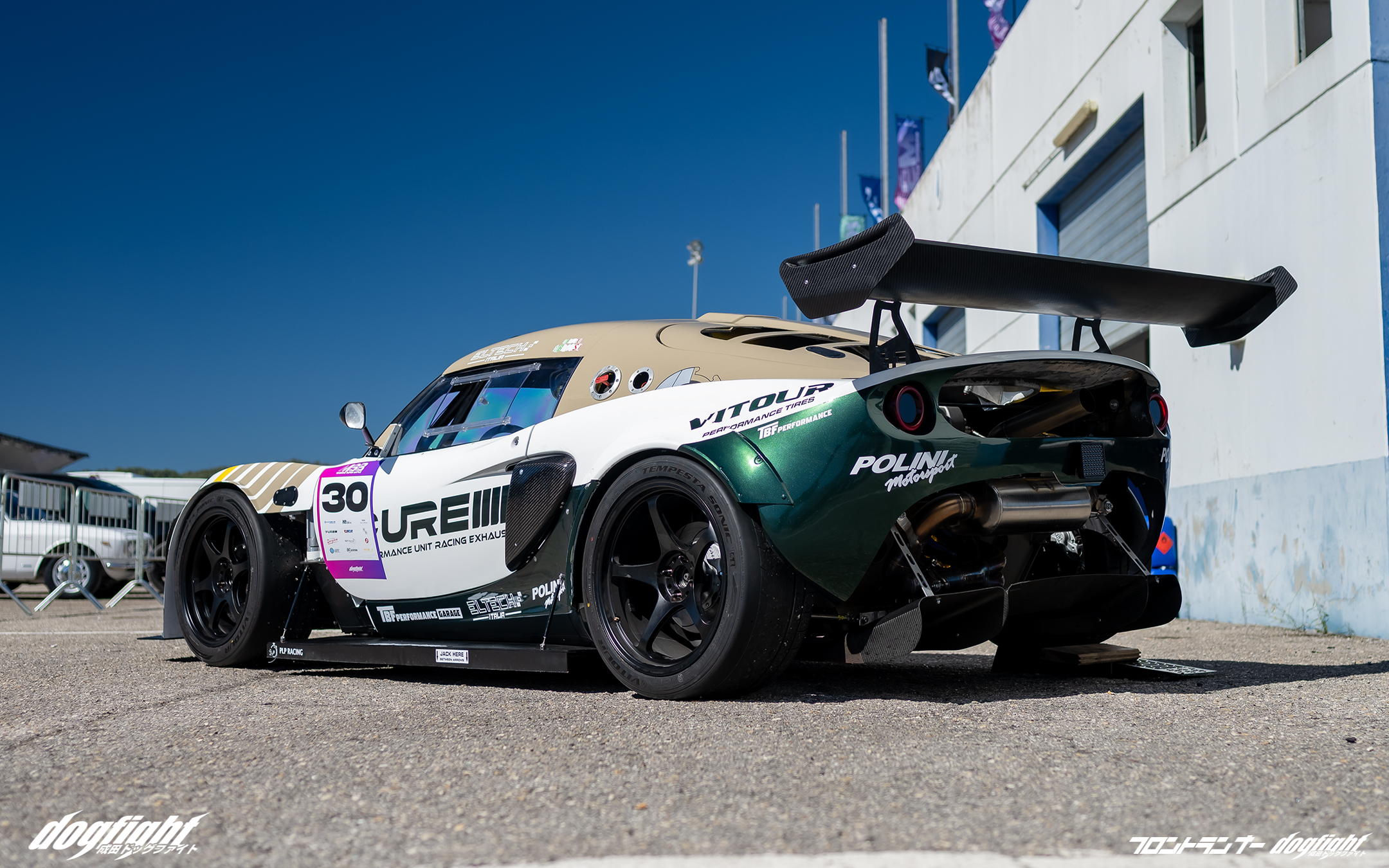
The Japanese influence wasn’t limited to the invited drivers, either. As you walked through the paddock, it was fairly obvious how much of the event had been shaped by Japanese automotive culture. Some of that appeared in the cars themselves, while other parts came through in the relationships between the organizers, drivers, and supporting companies. The European side of MSB is equally important to the event’s identity, bringing together people whose backgrounds and approaches to tuning can be quite different, but who share an interest in developing cars for circuit use. For me, that was probably the more interesting aspect of the weekend. The headline drivers attracted a great deal of attention, understandably, but the event itself is sustained by the people who bring their own cars, spend their time and money developing them, and return each year to measure their progress. It’s the same underlying reason that events like Zummy Racing, DKM, and even Attack have remained relevant in Japan. The professional teams and recognizable names receive much of the attention, but the private entrants are just as important to the culture surrounding them. When I first began covering time attack in Japan, it was Battle Evome that opened my eyes to that concept and it makes me happy to see it retained somewhat even today.



There are some obvious differences in execution. MSB incorporates more of the conventional event structure familiar to European drivers, including classifications and awards. The Japanese events that inspired it often operate with fewer formal divisions and an established understanding between participants that has developed over decades. Neither approach can simply be transferred into another country without considering the environment in which it exists. This is something Alessio and I have discussed on several occasions, and it is part of why I find the development of MSB worth following. In the four years since its inception, the event has grown from a gathering of approximately 40 cars to more than 150, and the relationships established through ISB now extend well beyond Italy. Perhaps more significant than the event’s growth is its increasingly close relationship with the Japanese time attack community. Italian Super Battle has become involved with Attack Tsukuba, and the organizers are actively working toward participating in the Japanese events that inspired their own. As I mentioned in my previous feature, Alessio’s long term objective is to bring his S2000 to Japan and drive Tsukuba himself, eventually participating in Attack. The car has been developed with that ambition in mind, and the event has become increasingly connected to the people who could help make it possible. I find that aspect of MSB particularly interesting, as Alessio seems just as interested in participating in the culture that influenced him as he is in continuing to develop the event in Italy.
After more than fifteen years of documenting time attack in Japan, I’ve come to appreciate that the events themselves are only part of the story. The relationships between drivers, shops, organizers, and media are what allow the scene to continue developing. A properly built car, a good lap time, or a successful event doesn’t exist independently of the people responsible for it. Magione Super Battle is still relatively young, and there are aspects of the event that will undoubtedly continue to change. I think the team has established a solid foundation and has an opportunity to continue developing something fairly unique within European motorsport. There is no shortage of circuit events in Europe, but comparatively few have this particular understanding of the culture surrounding Japanese time attack.










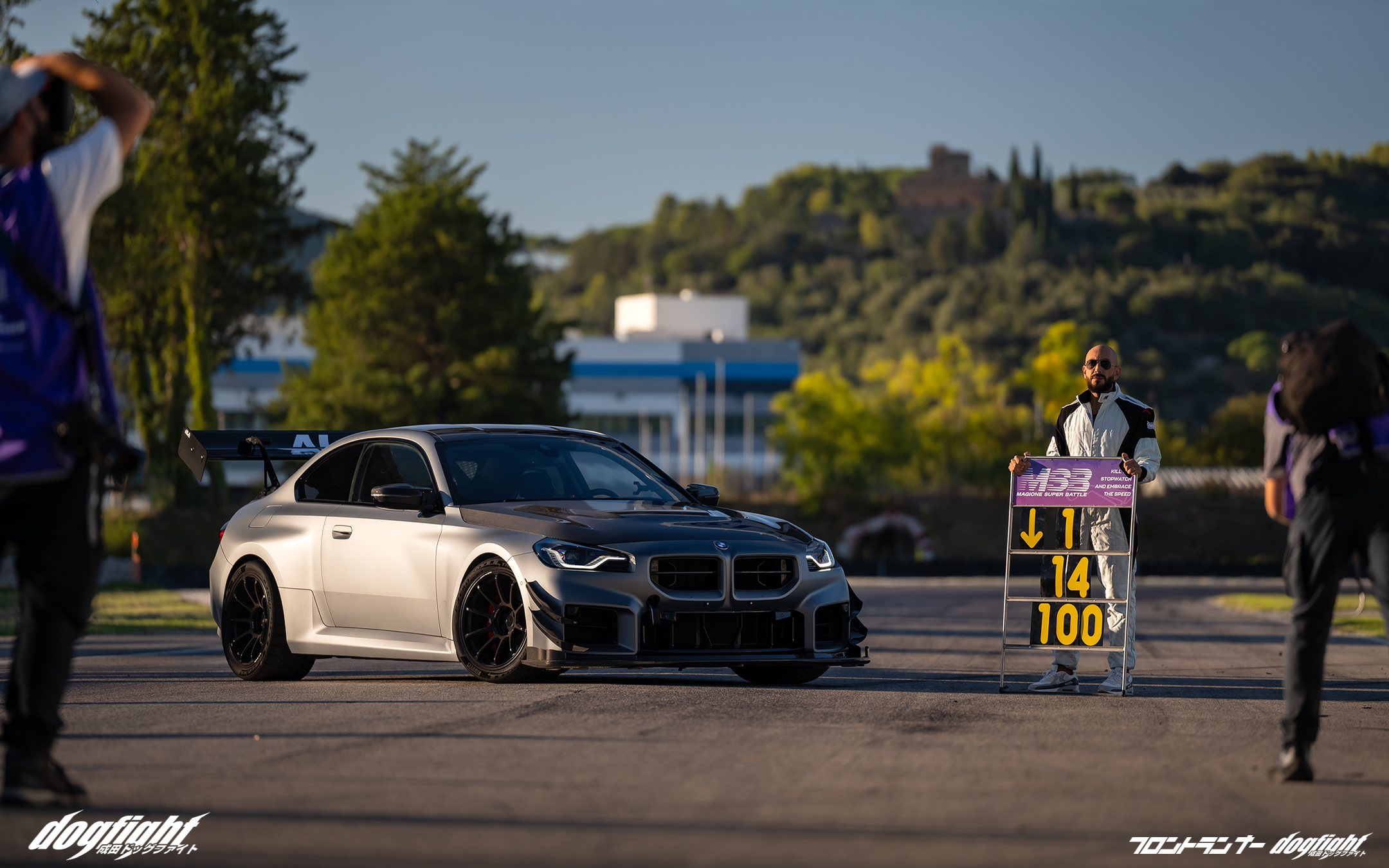

I’d like to thank Alessio C, Alessio P, Edo, and everyone involved with Italian Super Battle for inviting me to take part in this year’s event and for the hospitality throughout my time in Italy. It was a pleasure to finally see in person what the team has been developing over the past several years. I hope you enjoy the photos and accompanying event film, and with any luck, I’ll catch you guys again at Tsukuba.
Discover more from
Subscribe to get the latest posts sent to your email.