
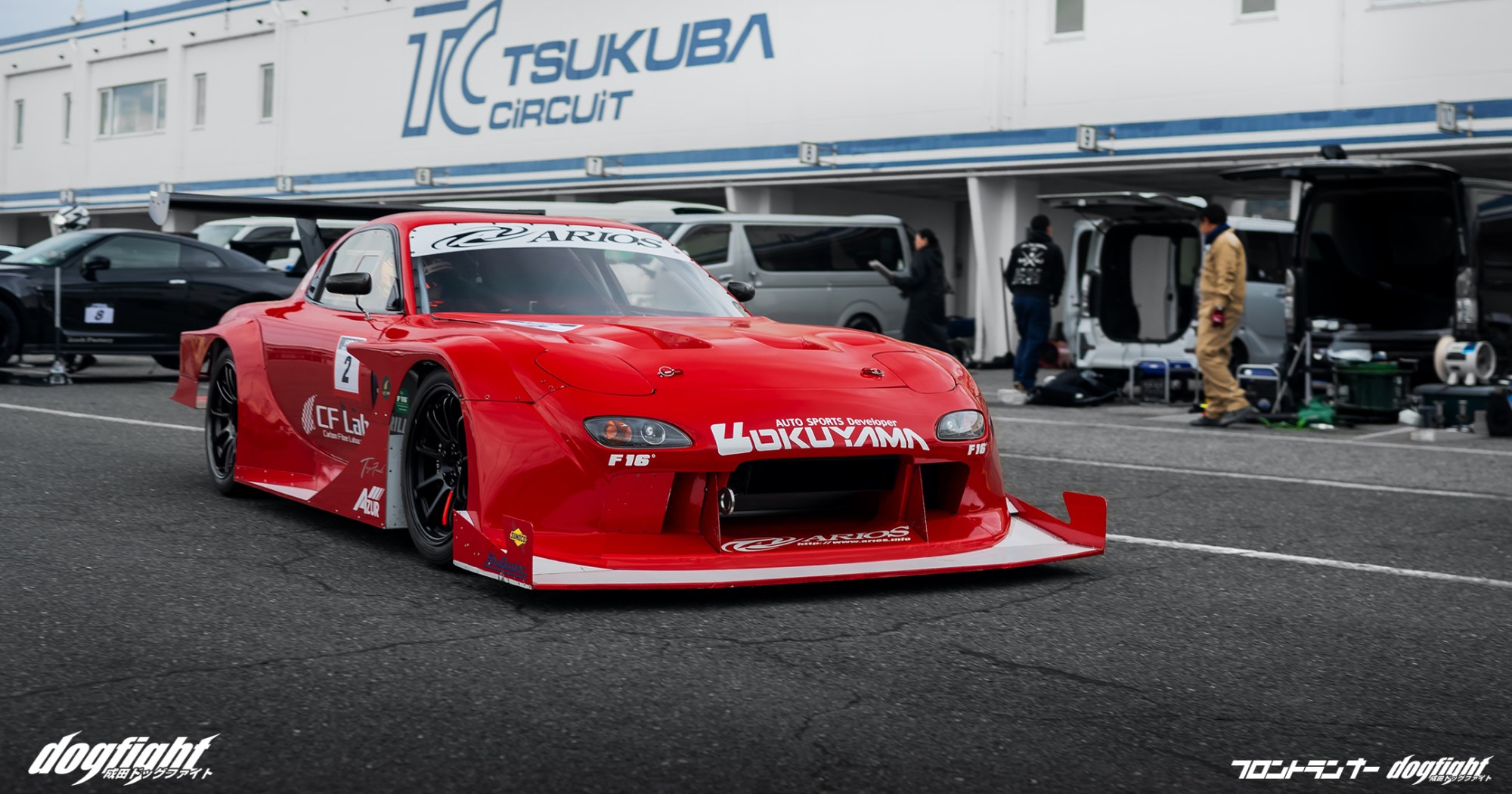
For Yoshiaki Itagaki, progress has never been about dramatic resets or seasonal overhauls. Instead, his FD3S RX-7 continues to evolve through careful observation, fabrication, and verification – a process that has defined his relationship with the chassis for more than two decades and has seen him climb the TC2000 rankings list year after year. Over the past several months, the car has entered a particularly focused phase of development, centered on cooling efficiency, airflow management, and incremental weight reduction, all while maintaining mechanical stability.

A major area of attention has been the front cooling package. Working closely with Top Fuel, Itagaki commissioned a one-off intercooler, built specifically for the FD’s packaging constraints and airflow requirements. Rather than simply increasing frontal exposure, the surrounding ducting was fabricated to fully seal the intake opening, ensuring that only clean airflow reaches the core while preventing any hot air intrusion from the engine bay. The radiator configuration was revised in parallel. A factory FD5 radiator was retained but repositioned slightly rearward from its original location. The goal was balance – improving airflow consistency without over-exposing the core. On track, the results have been clear: intake air temperatures stabilized at 20°C, while coolant temperatures held steady at 84°C during extended running. Additional attention was paid to airflow downstream of the intercooler. Aluminum ducting was reshaped to manage pressure differences behind the bumper opening, while secondary airflow was directed toward the turbocharger area to assist with heat management.
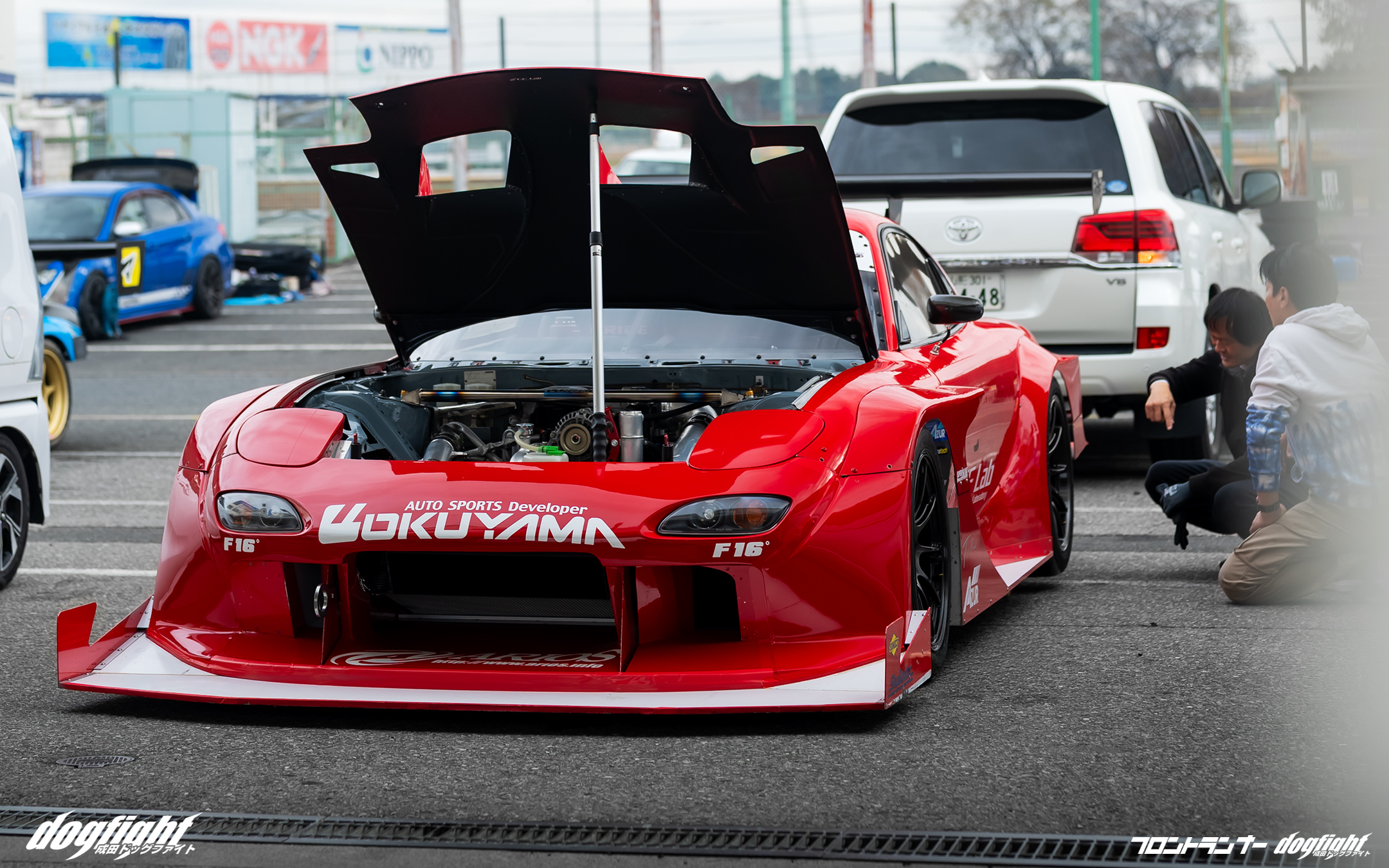

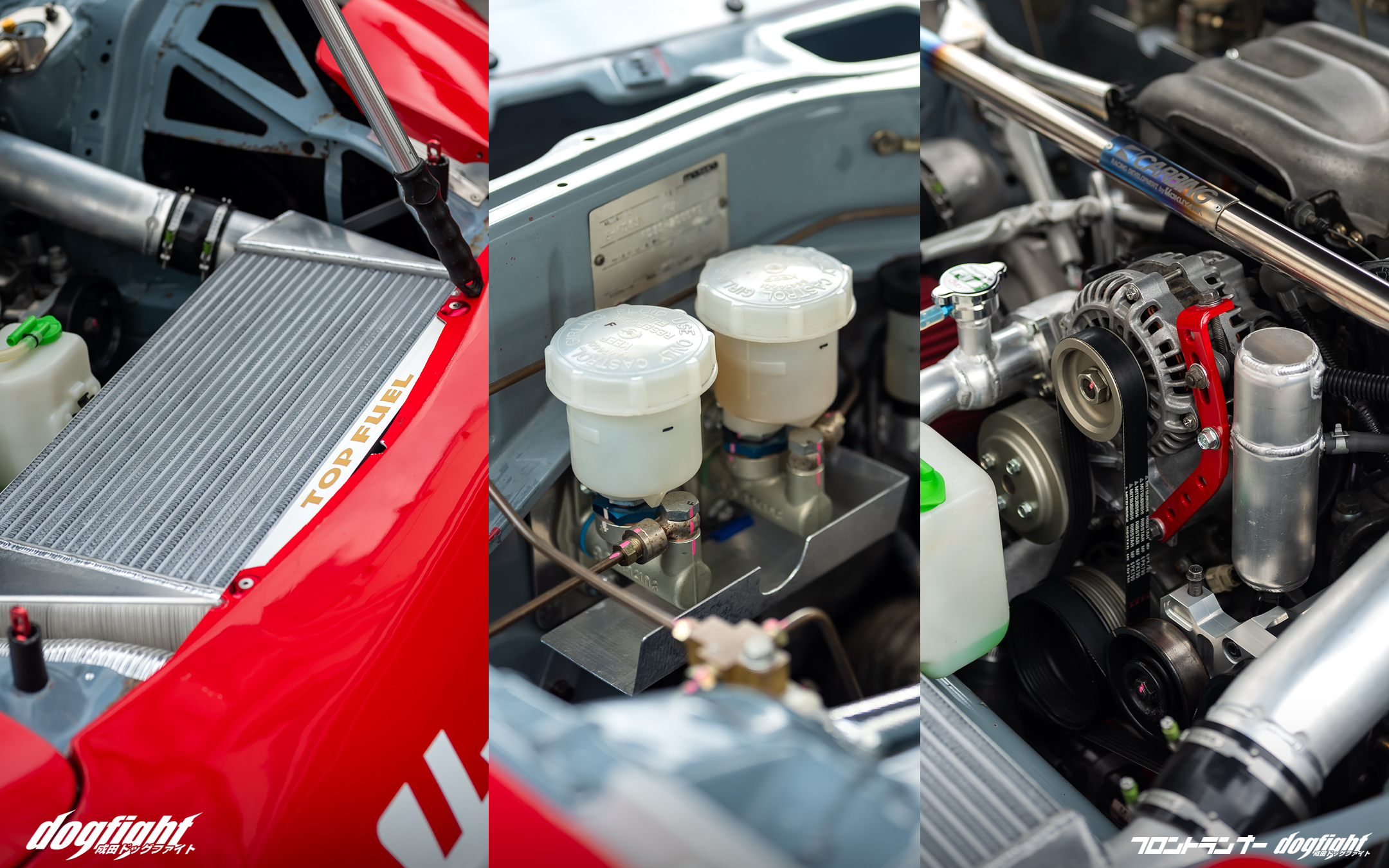

Supporting these changes, a newly fabricated oil separator was installed to improve crankcase ventilation and oil control. Compared to earlier setups, the new design provides more consistent separation while simplifying hose routing and improving serviceability within the engine bay. Revised piping layouts throughout the front of the car have increased clearance and reduced unnecessary complexity, reflecting a continued effort to refine rather than replace proven systems.

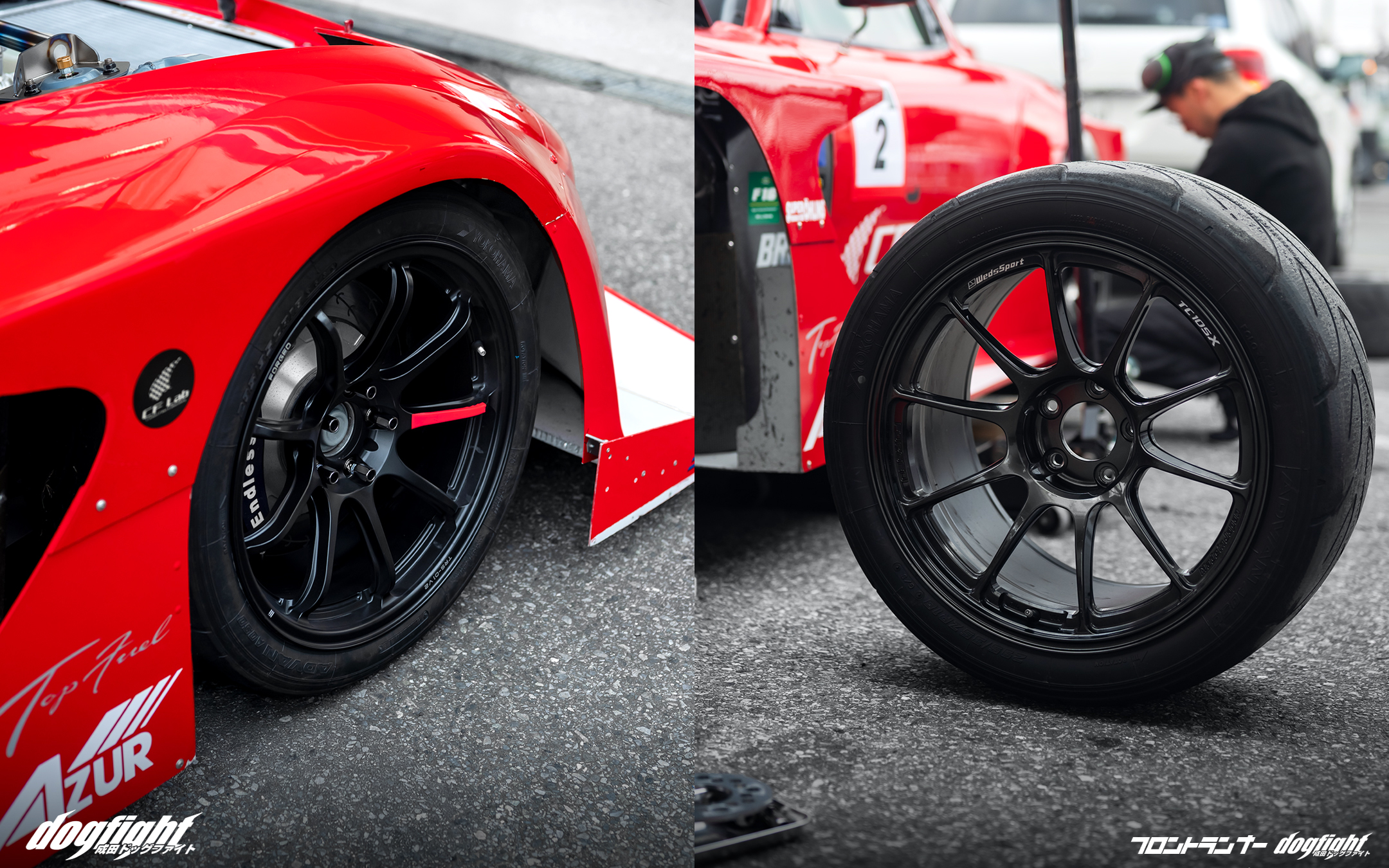
Weight reduction remains an ongoing effort, approached incrementally rather than aggressively. During a recent inspection, the FD registered 962 kg with fuel onboard, with 461 kg over the rear axle. With further refinements planned, Itagaki has noted that a sub-940 kg target is now realistically within reach, achieved not through drastic removal, but through accumulated small gains. Suspension development has followed the same measured philosophy. The car now runs AZUR dampers paired with Suspension Plus springs, with multiple spring rates tested across recent events. Rather than chasing additional stiffness, testing revealed that rear traction was already sufficient, allowing spring rates to remain higher while keeping alignment values close to previous baselines. At the rear of the car, aero fitment and geometry remain under review. Minor camber adjustments revealed subtle ride height changes, prompting further refinement to maintain balance across varying conditions.
Validation has come through his repeated circuit running rather than isolated setup changes, which seems to be a deliberate choice to prioritize consistency over short term gains. Itagaki is very meticulous about documentation and ensuring that changes are made with the knowledge of past results. His standing at 25th overall at Tsukuba Circuit is proof enough his methodology is effective.
On Top Fuel’s dyno, the FD recorded 586ps, a figure that reflects the effectiveness of the revised intake and cooling system without pushing beyond the car’s intended operating window. That restraint has carried directly into the opening rounds of the season at Tsukuba Circuit. At the DKM Challenge event in mid-December, Itagaki opened with a 54.626, followed by a 54.533 at last week’s Zummy Racing event. For context, his personal best remains a 54.165, set in 2023; a benchmark that still stands, but one that is being approached methodically rather than forcefully.

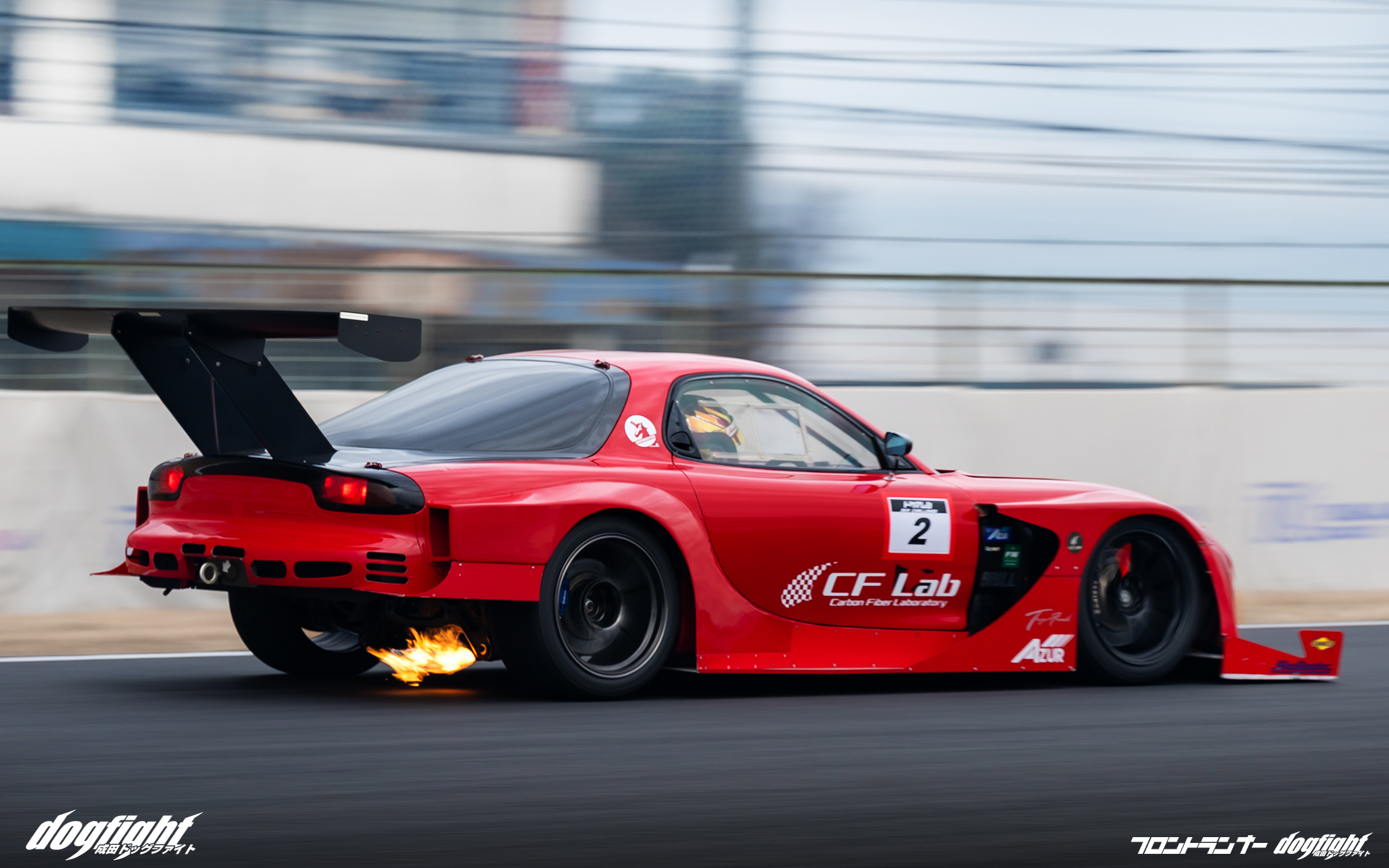
Consumables are treated with the same care. Tires are shaved, heat-cycled, and evaluated deliberately, with older compounds often used for data gathering instead of outright lap time attempts. Systems checks, warm up procedures (usually with the help of his loving wife), and transport logistics are handled with consistency as the Tsukuba season unfolds.

The picture that emerges is not one of reinvention, but refinement. After more than twenty years with the FD platform, Itagaki’s approach remains unchanged: understand the car, remove its weaknesses, and allow consistency, not excess, to define progress. I am pretty confident we’ll see him break into the 53’s this season with his changes, which would put him in the top 20 and ever closer to Revolution’s time. Looking forward to seeing him back out soon.